Search for Flights
 Search for Hotels
 Check Exchange Rates
 Check the Weather
Wakasa to Kyoto: Tracing the Miketsukuni Route on the Mackerel Highway
Last update
From Fukui, take the journey southward to trace the ancient Saba Kaido - the “Mackerel Highway” - that once carried Wakasa’s delicacies to the Imperial capital. In ancient times, this area was known as a “Miketsukuni”: a region that supplied the Imperial Court in Kyoto with the best food offerings. Crossing into Kyoto Prefecture, the landscape shifts from coastal plains to mountain valleys and riverside retreats. Here in northern Kyoto, food and craftsmanship stand center stage in quiet, well-preserved neighborhoods that show glimpses of an older Japan. This route explores how Kyoto’s deep connection to nature and water has shaped and refined its culinary traditions.
Miyama: A Village from the Past
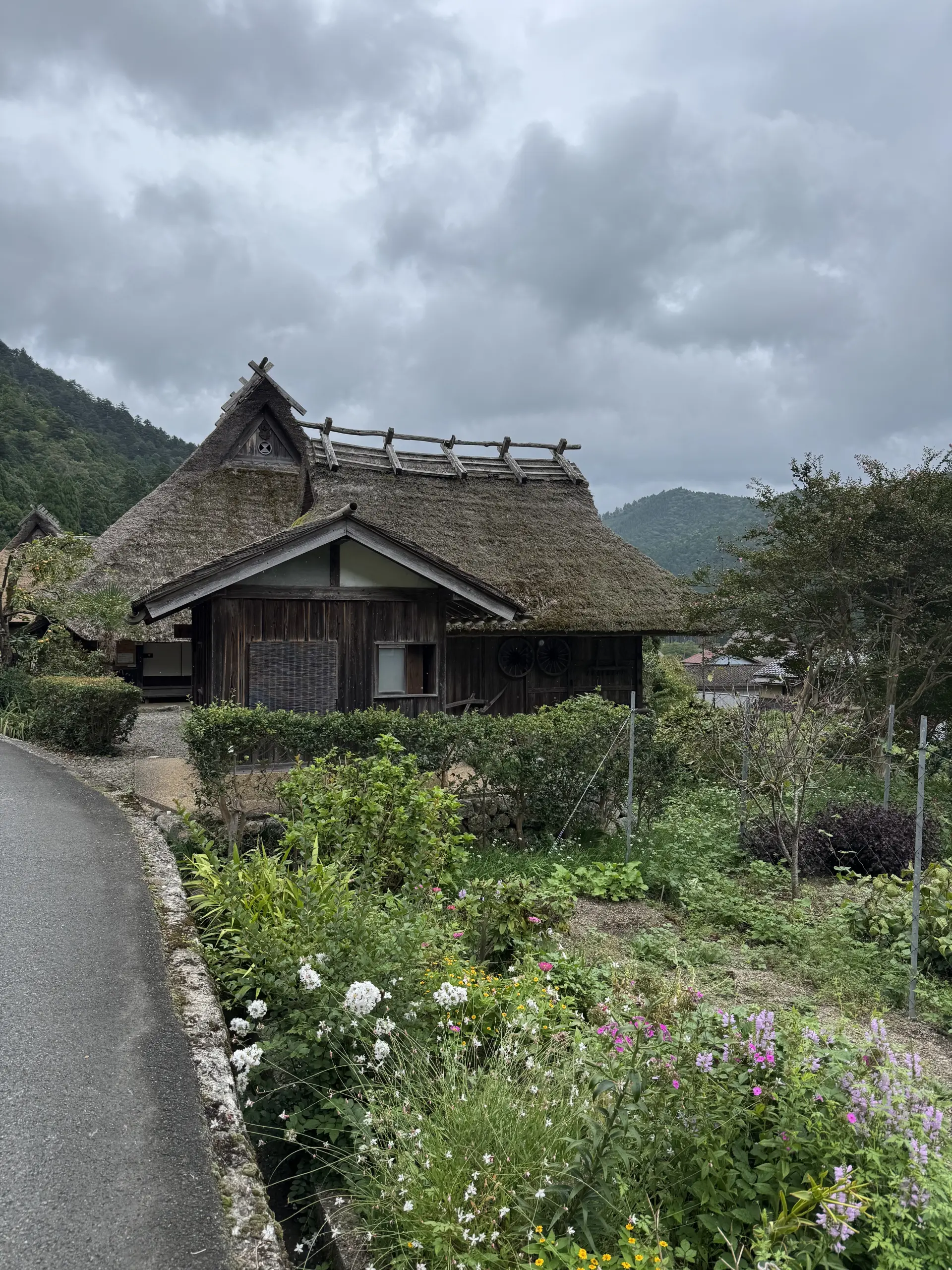
In the northern Kyoto countryside, Miyama Kayabuki no Sato transports guests to the Edo period. The village, designated as an Important Preservation District for Groups of Traditional Buildings, is made up of excellently preserved, fully-functioning thatched-roof houses that date back up to 220 years. With the Miyama Folk Museum, several houses open to visitors, and displays of old farming tools, the village is as educational as it is enchanting.

For visitors wanting an immersive experience, the village offers thatched-roof repair and building workshops to experience the techniques used to maintain these traditional homes. It’s a rare opportunity to engage directly with one of Japan’s oldest architectural practices while learning about the sustainable materials and communal labor that sustain it.
Lunch at Kajikaso: Local Comfort Meal
Just a five-minute drive from the thatched village and beside the clear waters of the Yura River is Restaurant Kajikaso, a charming restaurant specializing in seasonal cuisine, including local gibier game cuisine - a reflection of the mountain bounty surrounding Miyama. Depending on the season, the menu may feature wild boar hot pot, venison steak or delicate tempura of local herbs. With both Japanese and Western-style options available, Kajikaso is a welcoming stop for groups or solo travelers alike.

Tautasya: For the Nature Lovers
For travelers seeking a deeper connection to rural life, Tautasya is another fantastic dining spot in Miyama. The establishment serves as a slow-food restaurant, lodge and nature experience center, guided by the belief that eating can contribute to restoring the natural environment.
Here, the taste of wilderness is elevated with culinary finesse: local game such as venison and wild boar from the surrounding mountains, rice and vegetables nurtured by the region’s sharp temperature contrasts and wild herbs and mushrooms foraged from nearby forests.
Each dish captures both the wildness and refinement of Kyoto’s mountain terroir. Diners can expect earthy, soulful flavors that reflect a life lived in harmony with nature.


Moksa Rebirth Hotel
Wind down for the night at Moksa Rebirth Hotel, located in Yase, a tranquil enclave northeast of Kyoto City. The hotel’s name, derived from the Sanskrit word for “liberation,” reflects its mission - to offer a luxurious, regenerative stay amid forests, and flowing rivers.
Each room is designed with minimalist elegance, featuring natural materials and open views of the surrounding woods. During their stay, guests can join forest walks, enjoy plant-based fine dining that draws from Kyoto’s temple cuisine tradition. Moksa is about 30 minutes from central Kyoto but feels worlds away - an ideal bridge between the rural peace of Miyama and the cultural depths of the city ahead.
Ohara: Monastic Calm and Pickled Traditions
Continue the serene morning by starting your day at Ohara, a mountain town known for its temples and rustic hospitality. Visit Jakko-in, a serene Buddhist temple surrounded by maple trees that turn a stunning maroon in autumn. Its quiet grounds and wood-shingled roof main hall echo centuries of devotion and contemplation.

After paying respects, stop at Doi Shibazuke Honpo, a time-honored establishment producing shibazuke, Kyoto’s iconic pickles made from cucumbers and eggplant fermented with red shiso leaves. Doi Shibazuke Honpo has preserved its methods for generations, offering visitors tastings and insight into how pickling became a cornerstone of Kyoto’s culinary identity.
Lunch in Kibune: Riverside Dining
Follow the river to Kibune, a mountain village famous for dining on kawadoko, or wooden platforms built directly over the river. At Ugenta, one of these kawadoko restaurants, guests dine to the sound of rushing water beneath their feet, surrounded by cedar forest and fine mist. The restaurant’s menu highlights river fish and seasonal mountain ingredients, prepared in an elegant kaiseki style.

Matsui Sake Brewery: Legacy in Every Sip
In Kyoto City, Matsui Sake Brewery stands as the city’s oldest sake brewery, founded in 1726. Here, visitors can take a guided tour to learn about Kyoto’s pure water, the foundation of its brewing tradition and taste the distinctively smooth, fragrant sake that results from it. The shop offers a curated selection of sake and local delicacies, making it the perfect place to find souvenirs to take home Kyoto’s refined palate.


Good Nature Hotel Kyoto
End your second day at Good Nature Hotel Kyoto, an accommodation experience that takes a modern approach to Japan’s long tradition of hospitality. The hotel is part of a larger complex that includes an organic market, ethical shops and farm-to-table restaurants. Each room is thoughtfully designed with natural materials and gentle lighting, creating an atmosphere that is both chic and restorative.
Guests can enjoy locally-sourced dining at the hotel’s acclaimed restaurant, or explore the aisles of the adjoining market filled with Kyoto-grown produce, artisanal sweets and sake. It’s a contemporary and accessible reflection of Kyoto’s craftsmanship and flavors.


Gion: The End of the Saba Kaido
End your journey with a stroll through Gion, Kyoto’s most storied district full of lantern-lit alleyways and wooden teahouses. For a fitting finale, visit Izuu in Gion Shinchi, which has been specializing in Kyoto-style sushi since 1781. Here, try saba sugata sushi (whole mackerel sushi) and savor the symbolic end point of the ancient Saba Kaido.
What began as a journey from the sea to the city concludes with a single bite: the taste of Fukui’s ocean, carried over mountains, through centuries of culinary heritage.
Check also...

You can enjoy Kyoto’s hugely popular spot, Fushimi Inari Taisha Shrine, virtually! Vol. 4
Ise-Shima and Iga: Tracing the Miketsukuni Route From Sea to Clay
Tea Fields to Kyoto Tables: A Journey Through Wazuka and Fushimi
Tides and Traditions of Awaji: Tracing the Miketsukuni Route From Japan’s Sacred Island
Wakasa to Kyoto: Tracing the Miketsukuni Route from Sea to Court
A Journey Through Nagaokakyo: Tracing the Miketsukuni Route From Kilns and Kyoto Traditions
Beyond Kyoto to Hyogo: A 4-Day Kansai Journey Through Chirimen Silk, Hot Springs & Forest Trails