Search for Flights
 Search for Hotels
 Check Exchange Rates
 Check the Weather
Kyoto to Lake Biwa: 4-Day Journey Through Island Temples & Shiga’s Countryside
Last update
Most travelers visit Kyoto — but few realize that just beyond the city lies Shiga Prefecture, home to Japan’s largest lake, ancient pilgrimage routes, and temple towns shaped by water.
This four-day journey follows a quieter path across northern Kyoto and Shiga — exploring forest temples, sacred springs, island shrines, Buddhist experiences, and Nakasendo post towns that once connected travelers across Japan.
Day 1 – Kyoto’s Spiritual North: Forest Temples & Hidden Cafes
Shimogamo Shrine – Kyoto’s Ancient Water Sanctuary (Kyoto City, Kyoto Prefecture)
We begin at Shimogamo Shrine, one of Japan’s oldest Shinto shrines and a UNESCO World Heritage Site. Standing at the confluence of the Kamo and Takano Rivers, this site is believed to have been founded over 1,500 years ago. It has historically served as Kyoto's spiritual protector, safeguarding the city from misfortune entering from the north.

One of the highlights here is the water omikuji.

Instead of reading your fortune immediately, you place a blank-looking fortune paper onto the sacred stream — and as the water touches it, your fortune appears.
Sanzen-in Temple – Moss Gardens & Mountain Air (Kyoto City, Kyoto Prefecture)
Heading north into Ohara, the atmosphere changes completely. Here stands Sanzen-in Temple, one of the most tranquil temples in northern Kyoto — especially loved for its moss garden, where shades of green shift with the light like a sea.

Small Jizo statues emerge from the moss, watching over the garden — the signature feature that many travelers come to see.

But the magic doesn’t end here. If you walk deeper, you’ll find Hosen-in Temple.

Visitors can sit down with a bowl of matcha while viewing the garden through the wooden frame of the hiroen veranda, using the window space as a natural frame. The seasonal scenery appears as if it were a living Japanese painting, perfectly contained within the frame.
Lunch at Wappado – Farm-to-Table Food in Ohara (Kyoto City, Kyoto Prefecture)
After exploring the temples of Ohara, we stopped for lunch at Wappado, a seasonal cafe that practices true farm-to-table cooking.

The vegetables used here are harvested directly from local fields — meaning the menu shifts constantly based on what the land provides.

From the windows, you can see the fields where many of the vegetables are grown, making it easy to understand why the flavors taste so natural and fresh.
Hieizan Enryakuji Temple – The Mountain of Monks (Otsu City, Shiga Prefecture)
In the afternoon, we arrived at Mount Hiei — a major birthplace of Japan’s Buddhist traditions, especially those that later shaped Zen, Pure Land, and Nichiren Buddhism.

Founded in 788 by the monk Saicho, Enryakuji became the center of the Tendai sect, shaping the origins of Zen, Pure Land, and Nichiren Buddhism. The temple complex is vast, spreading across three mountain areas connected by forest trails — you could walk for hours between ancient halls, mossy stone steps, and towering cedar trees without seeing the same view twice.

In autumn, Enryakuji becomes one of the most beautiful places in Kansai: flaming maple trees, crisp mountain air, and the kind of silence that makes footsteps sound louder.
Shukubo Stay at Enryakuji Kaikan (Otsu City, Shiga Prefecture)
Many travelers choose to stay at Enryakuji Kaikan, the temple lodging located just beside the main halls. Guests wake up to morning Buddhist chanting and dine on shojin ryori — traditional Buddhist vegetarian cuisine.

At night, the view over Lake Biwa is unforgettable — the lights reflecting on the water feel almost like a dream.

Day 2 – Shiga: Lake Biwa, Breweries & Village Life
Morning Sutra Chanting Experience (Otsu City, Shiga Prefecture)
Day 2 began before sunrise, with the chance to join morning Buddhist sutra chanting — an experience usually reserved for monks.

At Enryakuji Kaikan, guests are given a small prayer set: a juzu prayer bracelet and a sutra book used during the ceremony. Everyone follows the chanting quietly, but you don’t need to understand every phrase — the sound itself is enough.
Shirahige Shrine – Torii Gate in the Lake (Takashima City, Shiga Prefecture)
After leaving Mount Hiei, the road led us toward Lake Biwa — the largest lake in Japan, and the lifeline of Kansai.

For centuries, its fresh water has flowed into Kyoto, supporting farming, daily life, and even tea cultivation. Kyoto may not have flourished as a capital without the support of Lake Biwa’s water. Even today, much of Kyoto’s water supply still comes from this lake.
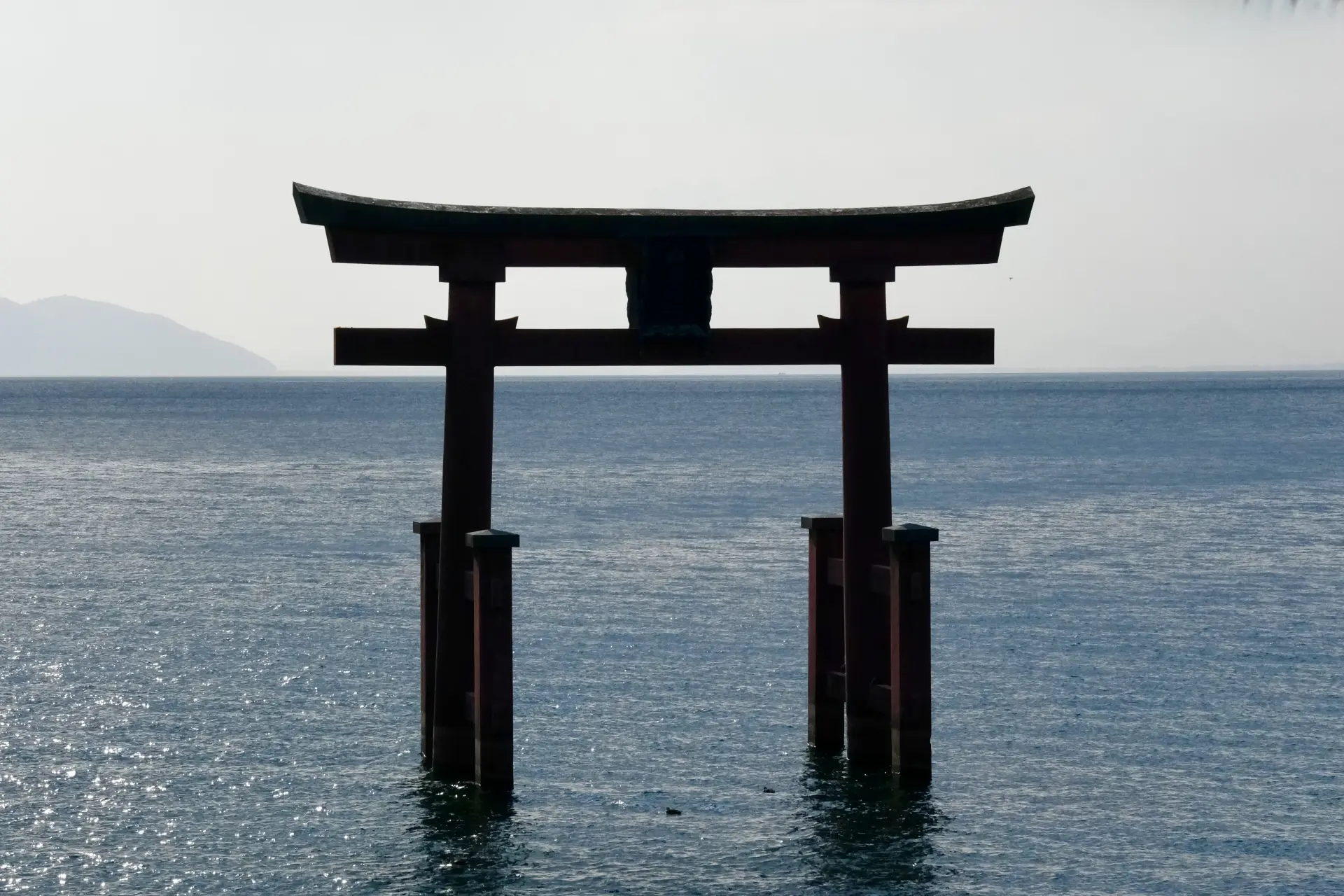
Along the western shore stands Shirahige Shrine, known for its torii gate rising from the water. Often called “Shiga’s floating Itsukushima,” it is one of the most photographed views in the region.
Omizo – A Lakeside Town Shaped by Water (Takashima City, Shiga Prefecture)
In the afternoon, we arrived in Omizo, a district in Takashima City on the western shore of Lake Biwa.

Takashima is known for three key aspects: clean spring water, traditional food culture, and its deep connection to the lake. It has one of the highest water quality ratings in Japan, thanks to underground streams that flow slowly from Mt. Hira.
Locals say that the water decides the taste of everything — sake, tofu, rice, even vegetables. To verify if this belief was true, we headed to Kawashima Sake Brewery, a long-established family-run brewery with over 150 years of history, located in the Kabata district of Shimofuri–Hari’e in Takashima, an area shaped by the same water source.
Kawashima Sake Brewery – Craft Sake & New Whisky Experiments (Takashima City, Shiga Prefecture)
Founded in 1865, Kawashima Sake Brewery has long relied on underground spring water from Mount Hira, to produce sake that feels clean and precise.

Their signature label, Matsunohana, is well known among sake lovers for its smooth texture and subtle fragrance — a flavor shaped not by additives, but by the mineral balance of the water itself.

In recent years, the brewery has started experimenting with Japanese whisky, using the same spring water that has defined their sake for generations.

It’s still produced in small batches, but quietly gaining attention among whisky enthusiasts — a sign that tradition here doesn’t stay still.
You can also join a relaxed tasting session where local sake is paired with fresh tofu and river fish caught nearby.
Stay at Kitabiwako Hotel Grazie – Lakefront Rest in Shiga (Nagahama City, Shiga Prefecture)
That night, we stayed at Kitabiwako Hotel Grazie, a comfortable resort-style accommodation on the shore of Lake Biwa.

From the hotel, guests can walk directly to the lakefront promenade. It’s especially beautiful at sunrise, when the wind softens and Lake Biwa becomes a still mirror — reflecting pastel colors across the water.
Day 3 – Island Pilgrimage & Nakasendo Towns
Chikubu Island – The Island of Prayer (Nagahama City, Shiga Prefecture)
From our hotel by the lakeshore, the pier was only a few minutes away — the perfect starting point for a journey across Lake Biwa.

The high-speed boat ride itself feels symbolic: as the boat moves away from shore, the mountains of Shiga slowly fade, and the lake opens like a calm mirror. Crossing the water becomes part of the pilgrimage.

Chikubushima has been a place of worship for over 1,300 years, and water is at the heart of its spirituality.
The island is home to Chikubushima Shrine, dedicated to the deity of safe voyages and longevity, and Hogonji Temple, associated with Benzaiten — the goddess of water, music, art, and wisdom.

On Chikubushima, there is a wish-making tradition called “Negai Daruma.”
Visitors write their wishes on a small piece of paper, place it inside a tiny red daruma doll, and then offer it at the main hall as a prayer for good fortune.
The daruma doll is designed with the face of Benzaiten.
One of the most fascinating features is the Boat Corridor (Funa-roka), which is said to have been built using timber from Toyotomi Hideyoshi’s personal ship, the Nihonmaru.

The corridor connects the Kannon Hall and Chikubushima Shrine and is designated as an Important Cultural Property.
Samegai-juku – A Post Town Kept Alive by Spring Water (Maibara City, Shiga Prefecture)
Back on shore, we traveled to Samegai-juku, a beautifully preserved post town along the old Nakasendo route, once used by travelers walking between Kyoto and Edo.

Nestled at the foot of Mt. Ibuki, the town has survived for centuries thanks to its clean spring water — flowing directly from the mountain into stone channels beside houses and inns.
Even today, the water is so pure that fireflies, trout, and baikamo — delicate white aquatic flowers that grow only in clean, clear streams with stable water temperatures — thrive here during summer, a rare sign of how carefully locals have protected their environment.

While exploring the town, we stopped for lunch at Honjin Higuchiyama — a traditional Japanese restaurant that truly reflects Samegai’s surroundings.

They use local ingredients shaped by Samegai’s water. Their rainbow trout, caught in the river that flows through town, is grilled with salt or served as dengaku with white miso, allowing you to taste the blessings of the pristine river.
Seiganji Temple – Matcha Beside a Rain-Born Pond (Maibara City, Shiga Prefecture)
Not so far from Samegai-juku stands Seiganji Temple, a quiet Zen temple founded in the Muromachi period (1336-1573). The original temple burned down during the Warring States period — only the main deity, Sho-Kannon, survived, and was enshrined in a small hall for many years before the temple was rebuilt.

Seiganji’s garden is designed using shakkei (borrowed scenery), blending Mt. Ibuki and the surrounding hills into the view. But its most intriguing feature is a pond that only appears after heavy rainfall. On dry days, it disappears completely, leaving only stones and moss behind.

Visitors can enjoy matcha in the tatami room while watching this natural change. If you come after rain, you’ll see the garden in its rarest form — like the land revealing a secret only water can unlock.
Stay at Hatoya Zuihokaku – Kyoto’s Natural Onsen in the City (Kyoto City, Kyoto Prefecture)
After getting back into Kyoto, we stayed at Hatoya Zuihokaku — one of the few hotels in the city with natural hot spring water drawn from underground.
The hotel also serves seasonal Kyoto-style cuisine with ingredients from local farmers in northern Kyoto and nearby Lake Biwa.

You would never imagine that Kyoto Station is just a few minutes away! It felt like the perfect pause point between countryside stillness and Kyoto’s urban rhythm.
Day 4 – Matcha Capital & Riverside Day Trip from Kyoto
Uji – Matcha Culture & River Views Near Kyoto (Uji city, Kyoto Prefecture)
Our final day began in Uji, Kyoto — the birthplace of Japanese matcha culture. The town sits beside the Uji River, one of the clearest streams in the region. When you arrive, the first thing you notice is a bit sweet with the scent of roasted tea leaves drifting through the streets.

Uji is lined with traditional tea houses, many of which offer matcha experiences where visitors can learn how tea is ground, whisked, and served.

Nearby, there are temple rooftops hidden between trees, reminders that Uji has long been a place where people come to clear their minds and reset their senses — not just to sightsee.
Jukkokubune Boat Ride – Water at the Heart of Fushimi (Kyoto City, Kyoto Prefecture)
To conclude our journey, we traveled to Fushimi, a district of Kyoto famous for its sake breweries and clear spring water. The most atmospheric way to experience it is through the Jukkokubune boat ride, a small wooden cruise that glides along the historic canals of Fushimi.

The name Jukkokubune refers to the boats that once carried rice and sake barrels to and from Fushimi during the Edo period. Today, the route is peaceful — willow trees rustle above, ducks swim beside the boat, and the river moves at the same slow pace it did hundreds of years ago.

Sake breweries still line the riverbanks today. Many of Fushimi’s most famous breweries, including Gekkeikan and Kizakura, were founded here because the underground water is soft, pure, and ideal for sake brewing. Just steps from the pier, visitors can also find the Gekkeikan Okura Sake Museum, where tastings and brewery tours are available.
Conclusion – Kyoto & Shiga Beyond the Map
This four-day journey shows that Kyoto and Shiga are not just neighboring prefectures — they are connected by what flows between them. From temples shaped by mountain streams to sake born from spring water, each destination reveals how water has guided culture, food, and spirituality for centuries.
Check also...
5 Best Cherry Blossom Viewing Spots in the Kansai Area

You can enjoy Kyoto’s hugely popular spot, Fushimi Inari Taisha Shrine, virtually! Vol. 4
Ise-Shima and Iga: Tracing the Miketsukuni Route From Sea to Clay
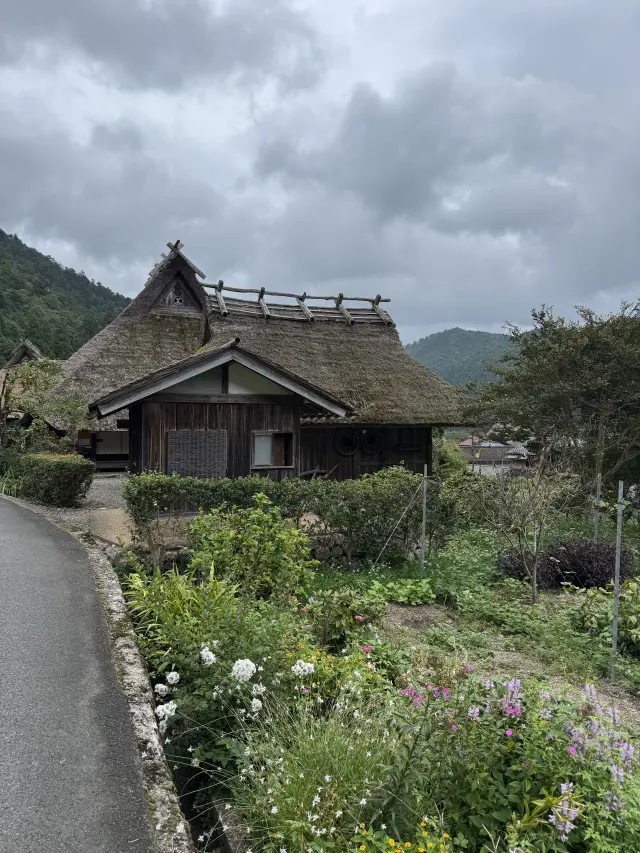
Wakasa to Kyoto: Tracing the Miketsukuni Route on the Mackerel Highway
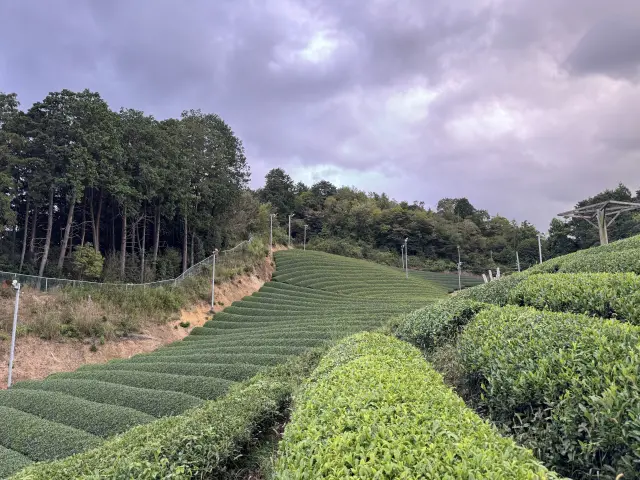
Tea Fields to Kyoto Tables: A Journey Through Wazuka and Fushimi
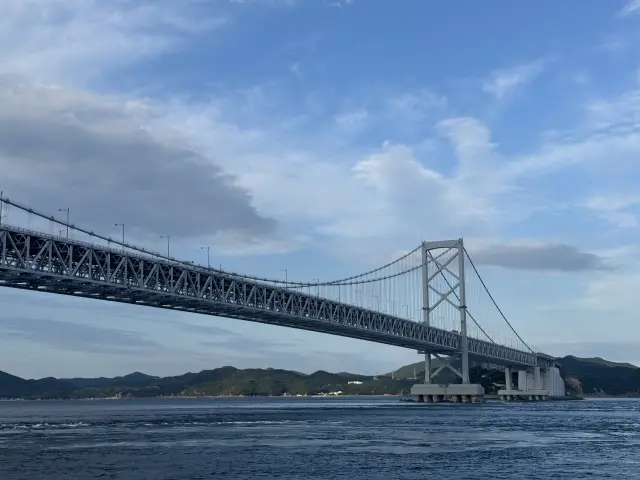
Tides and Traditions of Awaji: Tracing the Miketsukuni Route From Japan’s Sacred Island
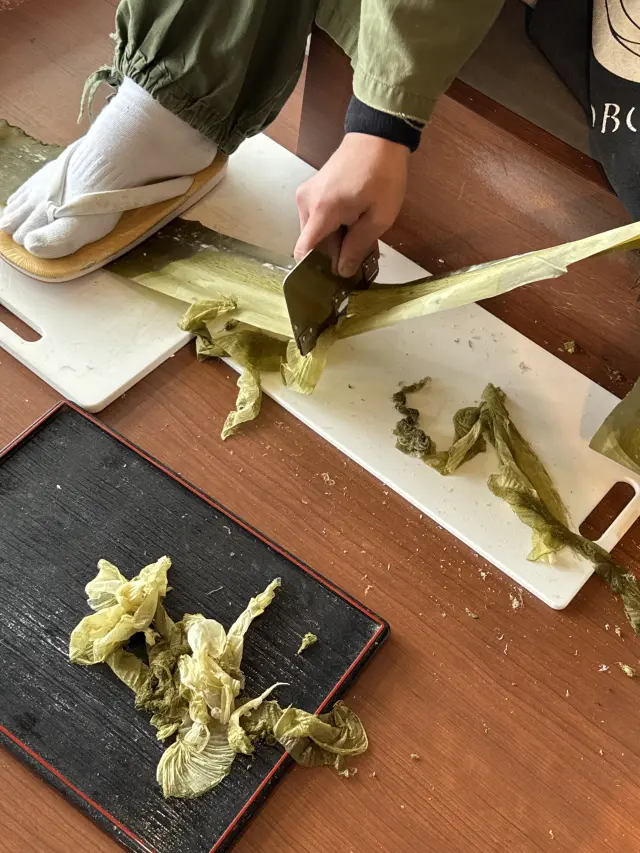
Wakasa to Kyoto: Tracing the Miketsukuni Route from Sea to Court