Search for Flights
 Search for Hotels
 Check Exchange Rates
 Check the Weather
From Himeji to the Castle in the Sky: Exploring Kansai’s Hidden Castle Towns
Last update
Easily reached from Osaka or Kyoto, Himeji is one of Japan’s most popular destinations — famous for its white castle, elegant gardens, and walkable center. Yet beyond the castle walls lies another side of Japan many travelers overlook.
In our previous feature on the Himeji–Tottori route, we followed the path north to the Sea of Japan, discovering Kurayoshi’s white-walled town and the folklore world of Sakaiminato.
This time, we travel from Himeji Castle to the mist-covered Takeda Castle Ruins, often called “Japan’s Castle in the Sky,” and onward to Fukuchiyama, a cultural town blending samurai history and traditional tea craft.
Day 1 – From Himeji Castle to Japan’s Castle in the Sky
Himeji Castle: Gateway to Japan’s Castle Heritage Route(Himeji City, Hyogo Prefecture)
Visible the moment you step out of Himeji Station, the white silhouette of Himeji Castle rises at the end of a straight boulevard. Often described as Japan’s most beautiful castle, Himeji owes its reputation not only to its elegance but also in its astonishingly well-preserved wooden architecture.

First completed in 1609, Himeji’s main keep still stands in its original form — an extraordinary feat of craftsmanship built from over 36 tons of interlocking wood, assembled entirely without nails. Step inside to discover a sprawling maze of 83 interlinked structures — from keeps and gates to narrow corridors and hidden storehouses.

Even without rushing, it’s easy to spend two to three hours exploring the castle.
Koko-en Garden: An Oasis Beside Himeji Castle(Himeji City, Hyogo Prefecture)
Though just a few minutes from the castle, Koko-en Garden feels like another world. Built in 1992 on the site of former samurai residences, the garden was designed to recreate the refined aesthetics of the Edo period (1603–1868).


Spread across nine distinct walled gardens connected by winding stone paths and wooden bridges, Koko-en captures the diversity of Japanese landscape design: a tranquil pond garden reflecting the castle towers above, a bamboo grove, and a flower garden that changes with the seasons.

Walk its paths and notice quiet details — shadows of bamboo on white walls, the sound of running water, the fragrance of flowers in bloom.


Admission to the garden is included with the Himeji Castle ticket, making it a great addition to any visit — and one of the most peaceful escapes in the city.
Shoshazan Engyō-ji: A Temple Among the Clouds(Himeji City, Hyogo Prefecture)
A short ride from Koko-en Garden leads to Mount Shosha, home to Shoshazan Engyō-ji, a 1,000-year-old temple complex in cedar forests northwest of Himeji — sometimes called the “Mount Hiei of the West” and known from film The Last Samurai.

You can also try shakyo, the meditative practice of hand-copying Buddhist sutras — a quiet, mindful experience that mirrors the calm of the surrounding forest.

The highlight is Maniden Hall, built dramatically on wooden stilts along a steep slope, embodying a harmonious blend of architecture and nature.

Journey to Takeda & Stay at Castle Town Hotel EN(Asago City, Hyogo Prefecture)
Leaving Himeji behind, head northwest toward Asago City in northern Hyogo Prefecture. The road leads from city streets to quiet valleys, where Takeda Castle Town rests beneath the “Castle in the Sky.”

Stay at Takeda Castle Town Hotel EN, a renovated sake brewery that blends traditional design with modern comfort — tatami rooms, earthen walls, and exposed beams preserve the warmth of old Japan.

Dinner here is a highlight: a seasonal kaiseki course featuring Tajima beef, mountain vegetables.

An overnight stay offers the chance to see the “Sea of Clouds” (unkai) at sunrise, when mist fills the valleys around the ruins. The unkai is usually visible from late spring to autumn (around May to November), but it depends greatly on weather conditions and temperature differences. So even if you stay overnight, seeing it can’t be guaranteed.
Day 2 – Sunrise at Takeda Castle and the Hidden Heritage of Fukuchiyama
Takeda Castle at Dawn: A Fortress Floating in the Sky(Asago City, Hyogo Prefecture)
The morning in Takeda Town begins long before sunrise. Armed with a small breakfast set of onigiri and miso soup prepared by Takeda Castle Town Hotel EN, we began the steady climb toward the Takeda Castle Ruins.

Built in the 15th century by Otagaki Mitsukage, a retainer of the Yamana clan, the castle once guarded the vital routes connecting the Tajima and Harima regions. The current stone walls are said to have been constructed under the orders of Koichiro Hidenaga, the younger brother of Toyotomi Hideyoshi.
After the Battle of Sekigahara in 1600, which marked the beginning of Tokugawa rule in Japan, the castle was abandoned because its lord, Hiromasa Akamatsu, fought for the defeated Western Army.
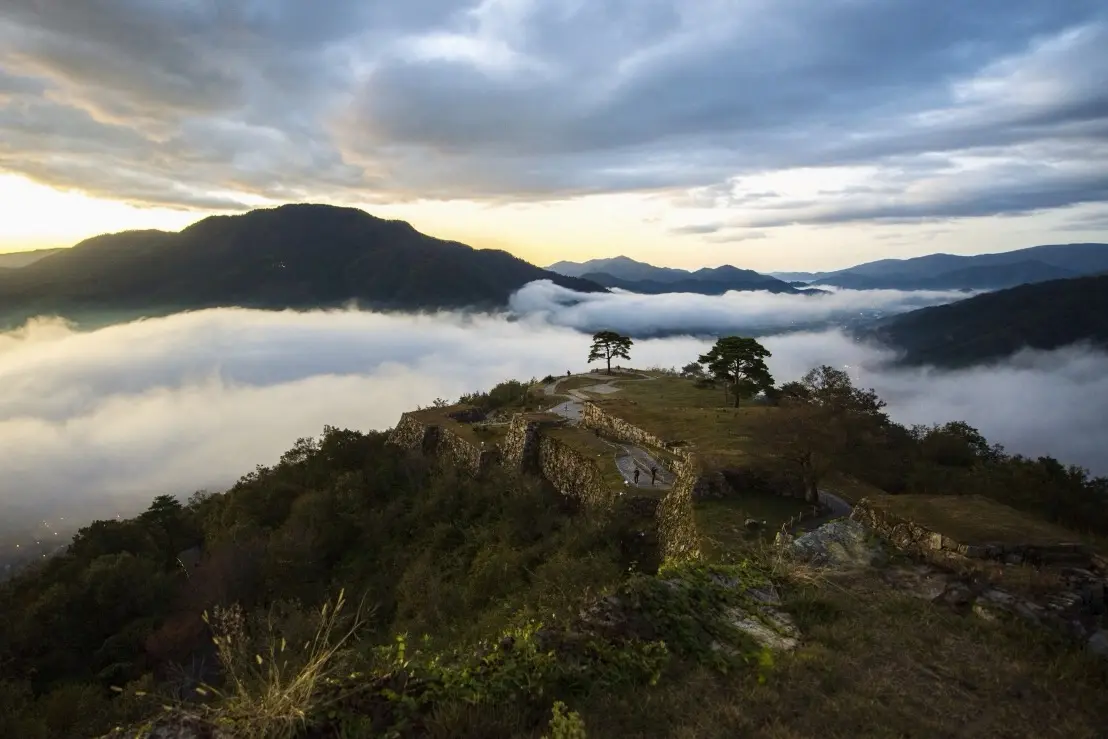
Today, its vast network of stone walls remains almost perfectly intact, forming a dramatic silhouette that seems to hover above the clouds.

Visiting in early October, we were lucky to see the unkai — when cool air meets river mist, turning the ruins into a “Castle in the Sky.”

Standing at the summit, eating breakfast with the clouds drifting below, you understand why travelers from across Japan come here in the dark to witness this fleeting moment.

After returning to the hotel for breakfast and check-out, the journey continues east toward Fukuchiyama, another castle town rich in history and craft.
Fukuchiyama Castle & Yanagi-machi District(Fukuchiyama City, Kyoto Prefecture)
On upland terrain, Fukuchiyama Castle overlooks the city like a guardian of northern Kyoto. Originally built in 1579 by samurai general Akechi Mitsuhide, it once protected key trade routes between Kyoto City and the Tango and Tajima regions. Although it was dismantled during the Meiji Era, the main keep was rebuilt in 1986 using drawings from 1600 to 1669.

From the top floor of the main keep, panoramic views stretch across Fukuchiyama City, the Yura River, and forested ridges beyond.

Below the castle, the Yanagi-machi District preserves the charm of Fukuchiyama’s old merchant town. Restored machiya now host cafes, galleries, and small eateries. Don’t miss Yanagimachi Restaurant. Fukuchiyama is known for its specialty dishes: a hot pot featuring only duck and green onions called “kamo-suki,” and oyakodon—chicken and eggs gently simmered in homemade broth—which is also highly praised.

Just a short stroll away, stop by Adachi Otoemon Kyoto Main Store—a beloved confectionery housed in another traditional building.

Their Tamba chestnut cakes, butter castella, and seasonal sweets are handmade with top-quality local produce. Many travelers pause here for a relaxing tea break, enjoying matcha and wagashi before returning toward Kyoto.
Yamashiroya Chaho: Craft Experience(Fukuchiyama City, Kyoto Prefecture)
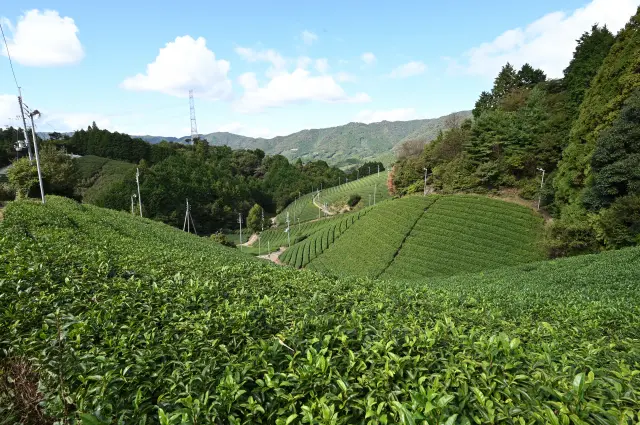
Founded over 100 years ago, Yamashiroya Chaho is one of the oldest tea merchants in northern Kyoto Prefecture. Making use of its cool climate and foggy mountain valleys, Fukuchiyama has long produced high-quality teas such as tencha, which is used to make gyokuro and matcha. It is one of the key regions that support the quality of Uji tea, renowned for its matcha.
At the teahouse, you can experience decorating your own tea caddy by applying traditional Japanese paper. The materials used include Japanese paper from Fukuchiyama and traditional Kurotani washi from Kurotani in Ayabe City, made from kozo (mulberry) fibers—one of Japan’s oldest forms of hand-made paper.

Crafting the container takes focus and precision: each thin sheet of washi must be aligned perfectly, as the light paper can tear easily.

The result is a reusable tea canister that feels personal and full of care.
Between Castles and Clouds
This two-day journey from Himeji to Fukuchiyama reveals more than Japan’s famous castles — it shows how each one shaped the character of the city beneath it.
Take your time to enjoy every stop: the precision of Himeji’s architecture, the stillness of Takeda’s mountain ruins, and the quiet artistry of Fukuchiyama’s tea culture.
Fukuchiyama marked our final stop — closing our journey between castles and clouds.
And if this kind of travel speaks to you, look for more routes in the Kansai Castle series, where each journey reveals another side of Japan’s enduring heart.
Check also...
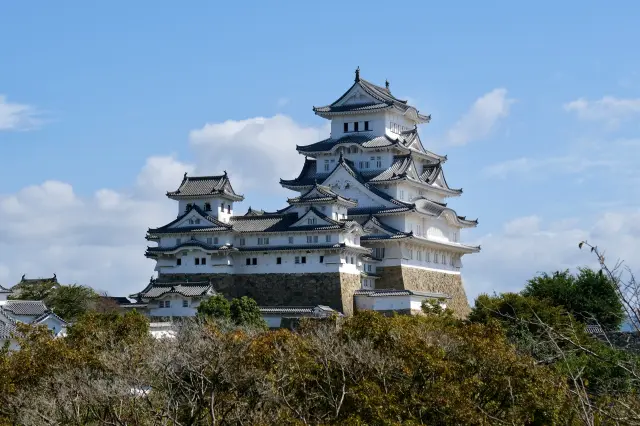
Himeji to Tottori Itinerary: Hidden Castle Towns, Hot Springs & Yokai Street
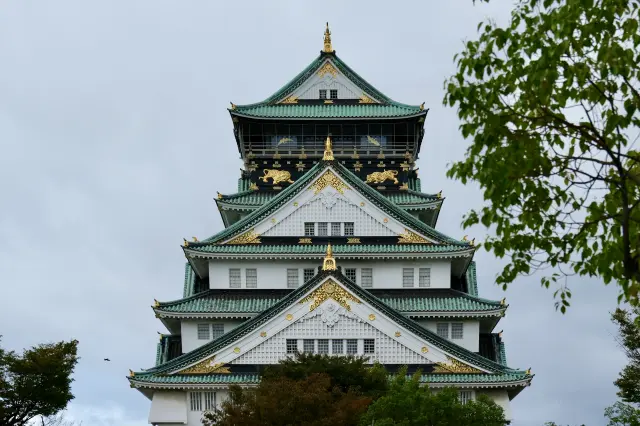
Discover Kansai & Shikoku in 3 Days: From Osaka Castle to Tokushima’s Awa Odori Dance
3-Day Central Japan Itinerary: From Kyoto to Fukui’s Castle Towns and Temples
4 Magnificent West Japan Views That Won a Photo Contest
3 Memorable Scenic Spots in Kansai for Enjoying the Waterfront
A 3-Day Journey Along the Path of History and Culture: Outlining the Saigoku Kaidō from Osaka
Hyogo: A Journey in Search of Japan’s Finest Sake