Search for Flights
 Search for Hotels
 Check Exchange Rates
 Check the Weather
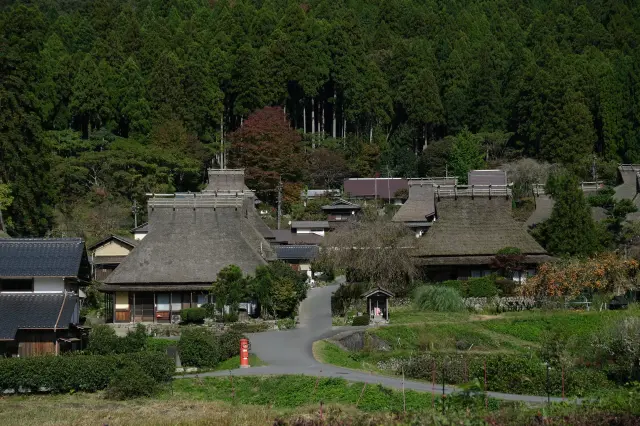
A Journey Through Nagaokakyo:
Tracing the Miketsukuni Route From Kilns and Kyoto Traditions
Last update
Leaving the shores of Awaji Island behind, take the journey inland toward Kyoto’s Nagaokakyo, - once linked by routes to miketsukuni regions this area is shaped by imperial history, natural beauty, craftsmanship and seasonal cuisine. The town offers a different side of Kyoto, one that’s quieter and greener than the highly touristed areas, and inextricably tied to its culinary heritage.
Day Three
Kinsui-tei: Seasonal Kyoto Cuisine in a Historic Garden
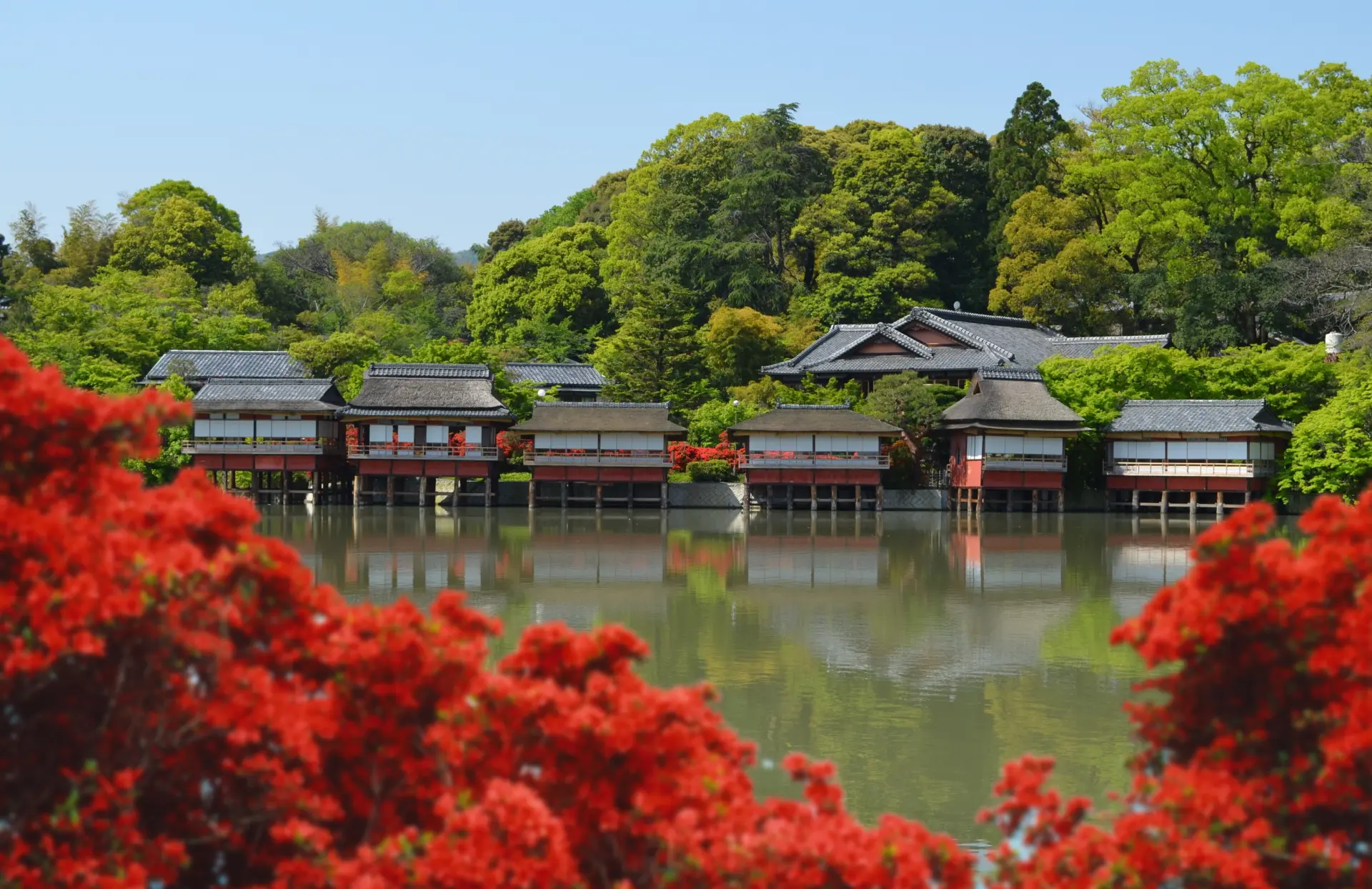
Start your day at Kinsuitei, one of Nagaokakyo’s most storied dining establishments. Scattered across the banks of Hachijogaike Pond, its traditional tea-house pavilions were built in the sukiya style, incorporating the vast garden into its architecture.
In spring, the restaurant is best known for its celebrated takenoko cuisine, featuring bamboo shoots harvested fresh in the morning. Through summer, autumn and winter, the chefs craft elegant Kyo-ryori kaiseki courses that spotlight the best ingredients of each season, such as hamo pike conger eel in the late summer. Every dish reflects the natural abundance and subtle yet impactful flavors that have long defined Kyoto’s culinary heritage.


Nagaoka Tenmangu: A Shrine of Scholarship
After lunch, stop by Nagaoka Tenmangu, a shrine dedicated to Sugawara-no Michizane, a famous scholar in the Heian period. Just steps away from Kinsui-tei, its long stone paths, bridges arching over ponds make it one of the region’s most peaceful sanctuaries.
Depending on the season, the grounds come alive with plum blossoms, azaleas or fiery autumn foliage, complementing the serene ambiance of Nagaokakyo’s traditional dining and craft culture.
Shop & Gallery Chikubuen: Thoughtful Bamboo Craft
After having savored bamboo shoots for lunch, explore the beautiful world of bamboo craft beyond the table. Bordering the scenic grounds of Nagaoka Tenmangu and Hachijogaike Pond, Shop & Gallery Chikubuen is surrounded by the lush bamboo groves that define the region.
Housed in a former ryokan built by Kinsuitei to commemorate the Osaka World Expo in 1970, the gallery retains a nostalgic Showa charm. Inside, visitors can browse tea utensils, one-of-a-kind pieces and lifestyle goods that highlight the beauty of bamboo.

Yoshimura Rakunyu Kiln: Tea Culture Through Clay
After exploring Nagaokakyo, take a trip closer to Kyoto city to the historic Yoshimura Rakunyu Kiln, a pottery studio that specializes in Raku ware, a unique subset of Kyo ware and Kiyomizu ware. Guests can participate in a tea ceremony experience, learning the customs of tea ceremony and how pottery influences and heightens the flavor of Japanese tea.


After exploring Nagaokakyo, take a trip closer to Kyoto city to the historic Yoshimura Rakunyu Kiln, a pottery studio that specializes in Raku ware, a unique subset of Kiyomizu ware. Guests can participate in a tea ceremony experience, learning the customs of tea ceremony and how pottery influences and heightens the flavor of Japanese tea.
Where to Stay: Restful Nights in Kyoto
Returning to Kyoto city brings the journey full circle, offering a comfortable and convenient base for the night.
Six Senses Kyoto
A sanctuary of contemporary wellness, Six Senses Kyoto blends the brand’s global ethos of sustainability with Kyoto’s historic aesthetic. Earth-toned interiors, lush courtyards and mindful dining create an atmosphere of restorative calm, ideal after days of travel through mountains and islands.


The Royal Park Hotel Kyoto Umekoji
Located adjacent to Umekoji Park and just one stop away from Kyoto Station, this urban hotel offers warm service and style. The surroundings are peaceful and the hotel’s modern comforts provide a relaxed landing point for travelers continuing onward through the ancient capital.
Check also...
5 Best Cherry Blossom Viewing Spots in the Kansai Area

You can enjoy Kyoto’s hugely popular spot, Fushimi Inari Taisha Shrine, virtually! Vol. 4
Ise-Shima and Iga: Tracing the Miketsukuni Route From Sea to Clay
Wakasa to Kyoto: Tracing the Miketsukuni Route on the Mackerel Highway
Tea Fields to Kyoto Tables: A Journey Through Wazuka and Fushimi
Tides and Traditions of Awaji: Tracing the Miketsukuni Route From Japan’s Sacred Island
Wakasa to Kyoto: Tracing the Miketsukuni Route from Sea to Court