Search for Flights
 Search for Hotels
 Check Exchange Rates
 Check the Weather
Tides and Traditions of Awaji: Tracing the Miketsukuni Route From Japan’s Sacred Island
Last update
Between Honshu and Shikoku, Awaji Island rests in the Seto Inland Sea - a place where its surrounding, bountiful sea has shaped everyday life. Known since ancient times as the “Island of Origins,” Awaji was also one of Japan’s Miketsukuni - regions that once supplied food to the Imperial Court. This is a place where Japan’s mythical creation began, and where its modern identity continues to bloom through food, craftsmanship and community.
From dramatic whirlpools to serene fishing ports, this two-day model course across the island traces the rhythm of life by the sea, showcasing the gastronomic delights of Awaji.

Day One
Lunch at Hotel Anaga
The day in Awaji begins at Hotel Anaga, a coastal resort overlooking the Naruto Strait. Its French-inspired restaurant serves cuisine that celebrates the island’s bounty, such as abalone steak, sweet Awaji onions and the freshest seasonal fish. Each dish highlights Awaji’s harmony between sea and land, and serves as a refined introduction to Awaji’s gastronomic landscape.


Uzushio Cruise
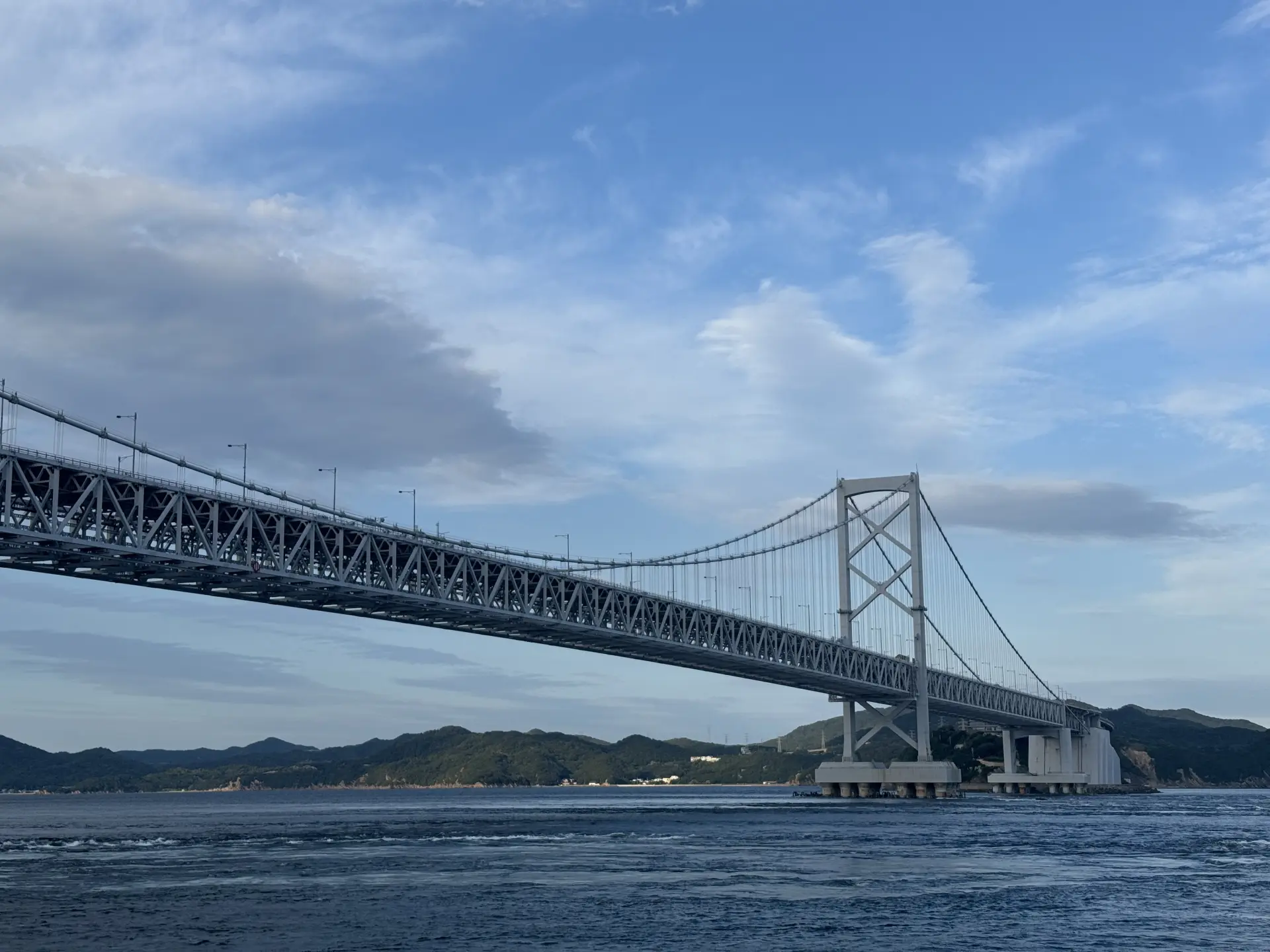
After lunch, board the Uzushio Cruise from Fukura Port to see the famous Naruto whirlpools, where powerful currents twist and surge beneath the Naruto Kaikyo Bridge, forming some of the world’s largest whirlpools. This natural spectacle, shaped by the meeting tides of the Pacific Ocean and the Seto Inland Sea, is one of the great wonders of Japan’s coastline.


Awaji Ningyoza Backstage Tour
Just across the street from the port, visitors can enter the world of traditional puppet theater, complete with a backstage tour at Awaji Ningyoza. For centuries, the island’s puppeteers have passed down the intricate art of storytelling through wooden figures brought to life. With a chance to try on the high-platform geta sandals of the performers, the rush of the curtains drawing back, and feeling the blinding stage lights, it’s a glimpse into traditional theater to an entirely different level of immersion. Watching their preparations up close reveals the devotion behind this living heritage, and garners newfound respect for the delicate yet physically taxing art form.


Stay: Hotel New Awaji
On the island’s eastern shore, every room at Hotel New Awaji overlooks the water, while the open-air public baths draw from natural hot springs that flow beneath the island. Dinner features Awaji’s culinary pride - fresh sashimi, Awaji beef shabu shabu and specialties infused with the island’s sweet onions. Early risers can enjoy sunrise views in the infinity-style onsen before heading to a delicious breakfast buffet.


Day Two
Yura Fishing Port
After checking out, head to Yura Fishing Port, where the day begins with the energy of the morning auction. Join a tour around the facility to see a wide variety of freshly caught local fish, as fishermen enthusiastically showcase their haul. Watch up close as buyers and sellers exchange bids in a rapid-fire rhythm - a world with a language entirely of its own that offers a glimpse into Awaji’s vibrant maritime culture.


Sushi Lunch with an Ocean View
After an action-packed morning at Yura, sit down for lunch at Sushi Kappo Genpei or Sushi Zou at Aqua Ignis, where the morning’s catch is transformed into an exquisite sushi omakase course. Knowing exactly who caught the fish, and watching the peaceful ocean spread right before you, makes for a sushi course unlike any other.

Awaji Ai LAND Project: Indigo Dyeing Experience
Head inland to the Awaji Ai LAND Project, which introduces travelers to the island’s revival of indigo dyeing, a craft intertwined with Japan’s textile tradition. Try dyeing fabrics in the deep blue hue known as “Japan blue,” or experiment with a local twist - using Awaji onions as natural dye to produce soft, earthy tones. The workshop celebrates both sustainability and creativity, continuing the island’s tradition of handcraft.

Awaji Baikundo Incense Workshop and Factory Tour
Known as the “island of fragrance”, Awaji has a deep-rooted history with incense that dates back to the Edo period. At Awaji Baikundo, the air is filled with the delicate fragrance of incense as artisans roll incense by hand with precision. Visitors can tour the workshop and even try their hand at the complex process of making incense sticks and create their own scent blend to take home. Inspired by local woods and herbs, it makes for a perfect souvenir to remember the aroma of Awaji.

Grand Nikko Awaji and Awaji Yumebutai
Wind down for the evening at Grand Nikko Awaji, a modern hotel overlooking Osaka Bay that takes inspiration from its nearby sea and forests. Just nearby lies Awaji Yumebutai, a terraced complex designed by architect Tadao Ando, featuring gardens, open courtyards, and the famed “hundred-step garden” filled with seasonal flowers.


Optional Stops
Awaji Tile Kiln
or those interested in Awaji’s material heritage, a visit to Awaji Tile Kiln in Minami-Awaji is a fascinating look into the region’s distinctive slate-gray tiles, or kawara tiles. The atelier specializes in decorative kawara, and has a gallery with elaborate tiles, some being significant historical works that are over 400 years old.

Natural Vistas of Awaji
In the evenings from April to September, you may have the chance to witness a “sea firefly show,” where bioluminescent creatures illuminate the shoreline in flickers of blue light, a rare and enchanting sight. Travelers arriving by car from Honshu can enjoy scenic views from the Naruto Kaikyo Bridge, one of the world’s longest suspension bridge, whose towers rise like protective gateways to the island.

Check also...
5 Best Cherry Blossom Viewing Spots in the Kansai Area

You can enjoy Kyoto’s hugely popular spot, Fushimi Inari Taisha Shrine, virtually! Vol. 4
Ise-Shima and Iga: Tracing the Miketsukuni Route From Sea to Clay
Wakasa to Kyoto: Tracing the Miketsukuni Route on the Mackerel Highway
Tea Fields to Kyoto Tables: A Journey Through Wazuka and Fushimi
Wakasa to Kyoto: Tracing the Miketsukuni Route from Sea to Court
A Journey Through Nagaokakyo: Tracing the Miketsukuni Route From Kilns and Kyoto Traditions