Search for Flights
 Search for Hotels
 Check Exchange Rates
 Check the Weather
Wakasa to Kyoto: Tracing the Miketsukuni Route from Sea to Court
Last update
Bordered by the Sea of Japan and framed by the mountains of the Hokuriku region, the Wakasa area in Fukui Prefecture is a land shaped by ocean bounty and ancient traditions. In ancient times, Wakasa, along with Shima and Awaji Island, was known as a “Miketsukuni” - a region that supplied seafood, salt, and other local specialties to the Imperial Court in Kyoto. The deep connection between sea, land and sustenance continues to define Wakasa’s distinct food culture.
Through experiences at various locations, savoring flavors nurtured by the traditions of the Miketsukuni and carried on in Japan’s washoku culture, the following model course invites travelers to taste, create, and discover through experiences.
Day one of this journey begins at Tsuruga Station, the gateway to the Hokuriku Shinkansen, just under an hour away from Kyoto. Traveling by private car is the most convenient way to follow this course.
1. Artisanal Kelp at Oboroya
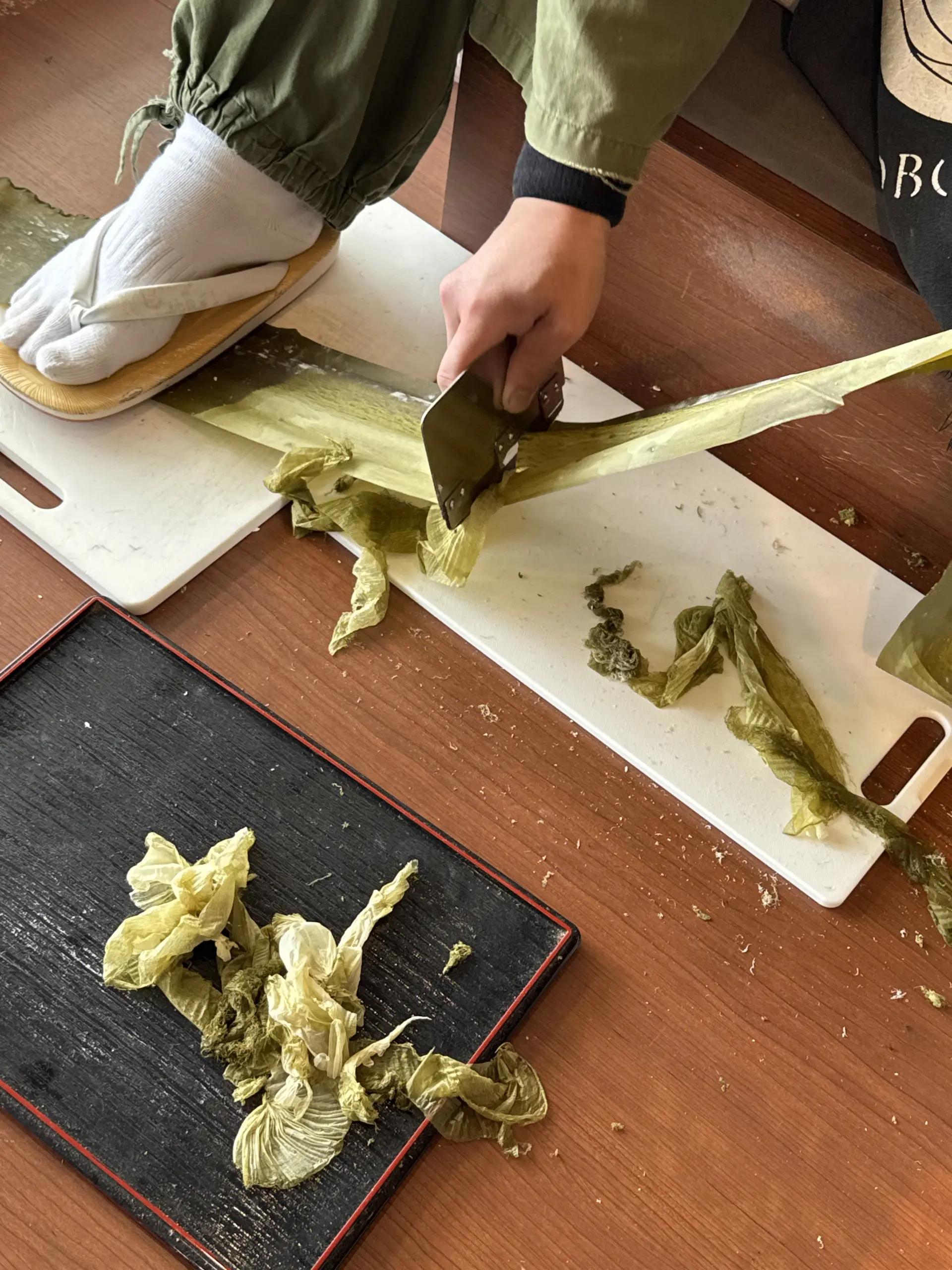
Start at Oboroya, a seaweed specialty shop a short walk from Tsuruga Station. Here, visitors can book a workshop to learn the centuries-old art of shaving kelp into thin, delicate sheets called oboro konbu, used in traditional cuisine. Don an apron and headband like a true kelp master, and learn the careful hand movements required to turn thick konbu into transparent layers. This technique, still passed down today, was registered as a National Intangible Folk Cultural Property in March 2025. The hands-on experience offers a deeper appreciation of why Tsuruga’s konbu has been valued across Japan for generations.

2. The Freshest Lunch at Takahama Fishing Port
About an hour’s drive from Oboroya, head to Takahama Fishing Port for lunch. Visitors can watch the live morning auction as fishermen unload their daily catch at 10 a.m. and 2 p.m. For lunch, Umi Kara Shokudo serves fresh sashimi platters prepared on the spot along with casual dishes like fish and chips. Everything is made from the day’s freshest haul, straight from sea to table.


3. Old Town Kumagawa-juku
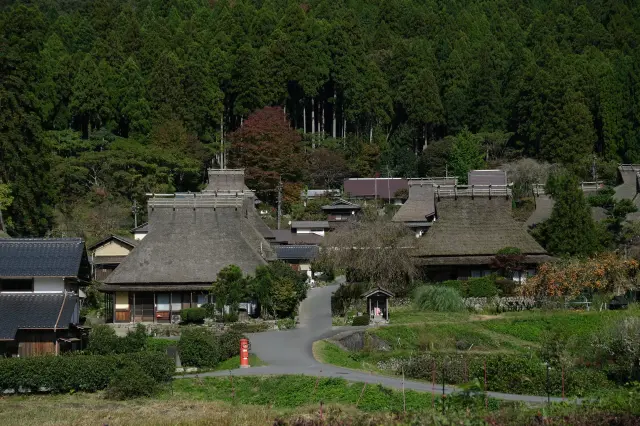
Step back in time at Kumagawa-juku, a beautifully preserved post town along the historic Saba Kaido route, about 50 minutes away from Takahama Fishing Port. With its Edo-period townscape, water channels and rustic wooden buildings, Kumagawa-juku feels like a living museum of rural Japan.

Visit Yao Kumagawa, a series of renovated kominka (traditional houses) that combine design and hospitality. Guests can join hands-on experiences such as cooking rice in a kamado nabe, or enjoying “tea in the mountains” with a picnic basket of local snacks to enjoy on the nearby Kumagawa Trail. For the outdoor enthusiasts, canoeing and standup paddleboarding are also available in the surrounding nature.


4. Sotomo Ocean Cruising
From Kumagawa-juku head to Obama City and embark on the Sotomo Meguri cruise from the Wakasa Fisherman’s Wharf to see Fukui’s rugged coastline up close. The 60-minute cruise follows a dramatic stretch of cliffs and sea caves formed by the fierce tides of the Sea of Japan. Over six kilometers of majestic scenery unfold, including towering rock formations and the famous “Daimon” and “Komon” sea gates. If blessed by calm waters, some lucky travelers are allowed to disembark and view the formations up close.

After the cruise, stop by the Wakasa Fisherman’s Wharf restaurant and souvenir shop to enjoy fresh seafood or to take home the flavors of Wakasa.
5. Miketsukuni Wakasa Obama Food Culture Museum
A six-minute walk from the Sotomo Meguri cruise terminal, the Miketsukuni Wakasa Obama Food Culture Museum explores how the region once served as Miketsukuni - a province that supplied food to Japan’s Imperial Court. Exhibits highlight Wakasa’s deep connection to Japanese food culture, from the various renditions of the New Year’s ozoni soup to Kyoto’s saba sushi, which trace its origins to Wakasa.

While there, don’t miss the Wakasa Kobo Workshop, where visitors can craft and polish their own Wakasa-nuri lacquered chopsticks to take home. Renowned for their intricate designs and smooth texture, Wakasa-nuri chopsticks make for a beautiful and practical souvenir.

The on-site kitchen studio also offers cooking demonstrations and food education workshops using fresh local ingredients, making it a hub for lifelong learning about Wakasa’s culinary heritage.
6. Sweet Delicacies at Inoue Kouyouan
Back in the city center, as you stroll through Obama, stop by Inoue Koyouan, a long-established confectionery that has delighted visitors with traditional sweets for generations. Known for its elegant kuzu yokan - a smooth, refined jelly made with arrowroot starch - the shop is another symbol of Wakasa’s legacy as Miketsukuni.
One of its most storied creations is Nochise, a sweet red bean paste delicacy dusted with sugar and cinnamon. Once presented as an offering to the emperor, this confection embodies the grace and artistry of Wakasa’s food culture. With its understated sweetness, subtle spiciness and historical roots, each bite recalls the refined palate of Japan’s nobility.

7. Rest at Wakasa Kajitsu
After a full day of exploring, end day one with a stay at Wakasa Kajitsu, an intimate inn that embodies the serenity of Fukui’s natural landscape. Facing the calm waters of Wakasa Bay and surrounded by gentle mountains, the inn invites guests to unwind in the soothing sound of the waves.
Dinner features a traditional kaiseki meal that highlights local ingredients, including the famous wagyu Wakasa Beef and sashimi caught just offshore. Breakfast is equally indulgent, with an array of local bites, fresh fish and rice cooked in a donabe clay pot to enjoy with the morning view of the ocean.
Rest well at Wakasa Kajitsu and prepare to continue your journey tomorrow toward Kyoto - where the flavors of Wakasa once traveled to grace the tables of the Imperial Court, and where the story of Miketsukuni continues.


Check also...
5 Best Cherry Blossom Viewing Spots in the Kansai Area

You can enjoy Kyoto’s hugely popular spot, Fushimi Inari Taisha Shrine, virtually! Vol. 4
Ise-Shima and Iga: Tracing the Miketsukuni Route From Sea to Clay
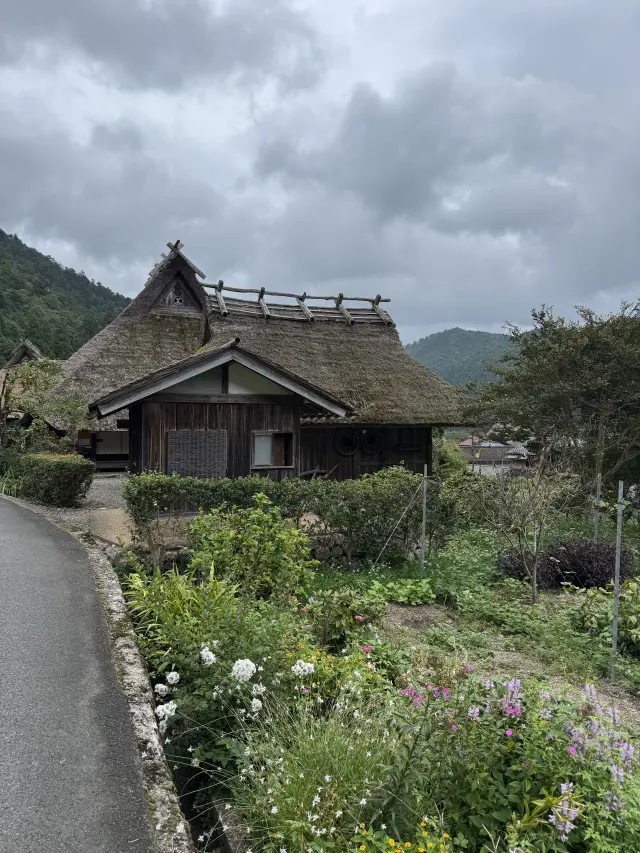
Wakasa to Kyoto: Tracing the Miketsukuni Route on the Mackerel Highway
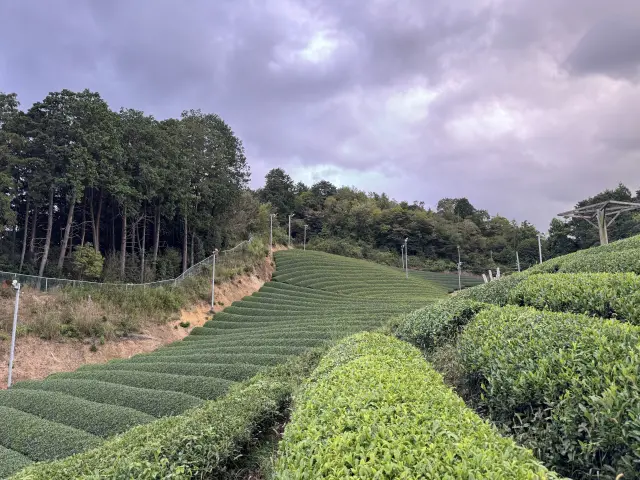
Tea Fields to Kyoto Tables: A Journey Through Wazuka and Fushimi
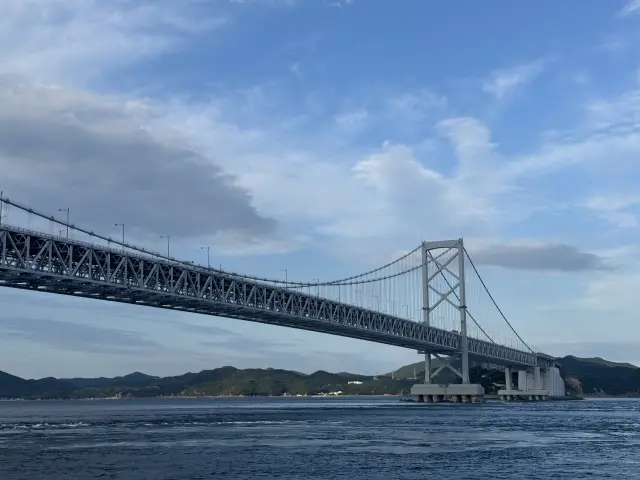
Tides and Traditions of Awaji: Tracing the Miketsukuni Route From Japan’s Sacred Island
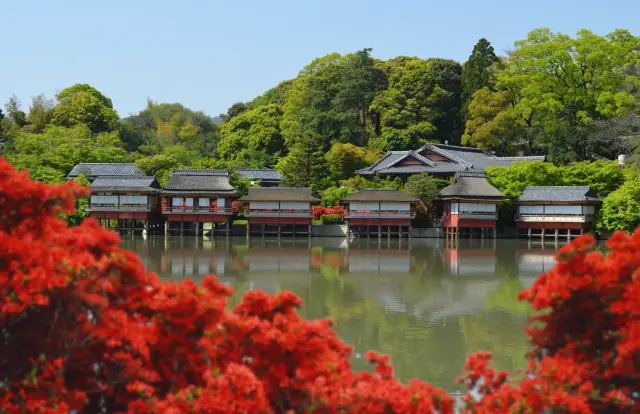
A Journey Through Nagaokakyo: Tracing the Miketsukuni Route From Kilns and Kyoto Traditions