Search for Flights
 Search for Hotels
 Check Exchange Rates
 Check the Weather
Discover Kansai & Shikoku in 3 Days: From Osaka Castle to Tokushima’s Awa Odori Dance
Last update
Visiting Kansai doesn’t only mean exploring the well-known cities of Osaka and Kyoto. Just beyond the city lights, bridges and ferries connect you to a quieter side of Japan.
This three-day route takes you through western Japan’s most atmospheric destinations: the samurai heritage of Osaka Castle, the timeless Arima Onsen, the mythic beauty of Awaji Island, the vibrant Awa Odori spirit of Tokushima, and the coastal calm of Wakayama — ending in Sakai, a city where Japan’s tea and craftsmanship culture continue to thrive.
Day 1 – From Osaka Castle to Arima Onsen and Awaji Island
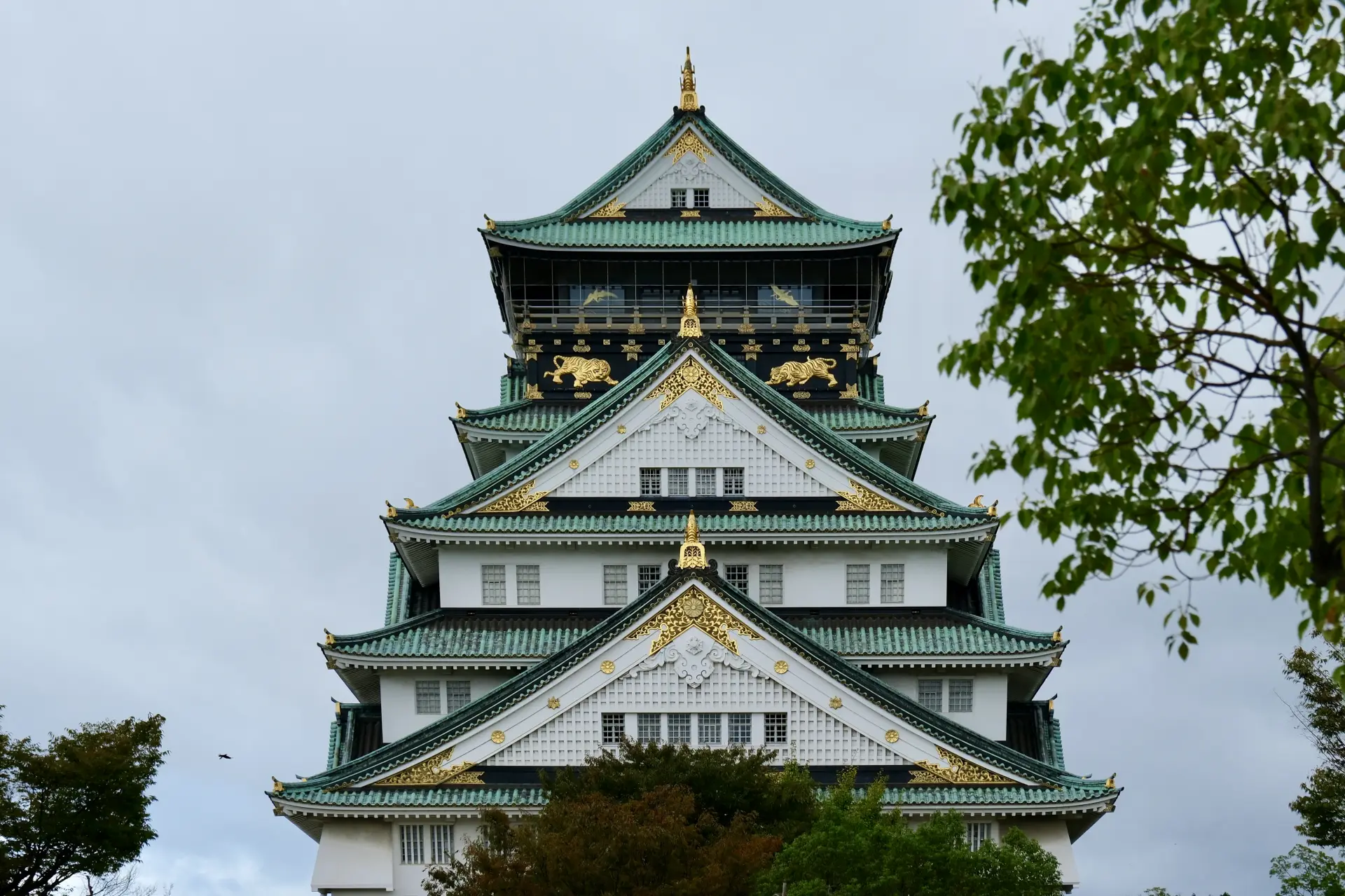
Osaka Castle – A Glimpse into Samurai History(Osaka City, Osaka Prefecture)
The journey begins in Osaka, one of Japan’s most dynamic cities — and there’s no better starting point than Osaka Castle, a landmark that once symbolized power and unity during Japan’s Warring States period.

Built in the late 16th century by warlord Toyotomi Hideyoshi, the castle was designed to impress both allies and rivals with its massive stone walls and gold-leaf decorations.

Some stones rise more than 3 meters high, transported all the way from Mount Rokko, Mount Ikoma, and across the Seto Inland Sea, then stacked with astonishing precision — all without using mortar.

Inside the main keep, museum exhibits reveal the life of the samurai and the city’s development, while the observation deck offers sweeping views across modern Osaka.
Surrounding the castle, Osaka Castle Park comes alive with color in spring and autumn, when locals gather beneath the blossoms or red maple leaves — a peaceful contrast to what was once a mighty samurai fortress.
Arima Onsen – Japan’s Oldest Hot Spring Town(Kobe City,Hyogo Prefecture)
Leaving the bustle of Osaka behind, you’ll ascend into the Rokko Mountains toward Arima Onsen, one of Japan’s oldest hot-spring towns with a history of more than 1,300 years.

Loved by emperors, monks, and travelers alike, Arima’s waters were said to have miraculous healing properties. Even Toyotomi Hideyoshi, the warlord who ruled Japan from Osaka Castle, was so fond of Arima’s hot springs that he visited often and personally funded their reconstruction after the 1596 earthquake.
Arima’s two famous springs offer distinct experiences: the golden Kin no Yu, rich in iron and salt, and the silver Gin no Yu, a clear, carbonated spring that softens the skin.

Along Yumotozaka Street, steam rises from small eateries and cafes.

Don’t miss the local cider senbei — crisp crackers made with Arima’s naturally carbonated water, a simple but unforgettable taste of the town.
Lunch:Odashi to Oyasai Midori (Kobe City, Hyogo Prefecture)
How about enjoying lunch here in Arima at “Odashi to Oyasai Midori”?

Seiro Gohan Lunch
- Steamed rice topped with Mitsuse chicken soboro and seasoned egg
- Three small seasonal vegetable side dishes
- Pork miso soup with a rich, savory dashi
A comforting combination of sweet-and-savory Mitsuse chicken soboro and dashi-infused egg served over steamed rice. Paired with seasonal vegetable dishes and a hearty pork miso soup, this meal warms both body and soul.
Zenbo Seinei(Awaji City, Hyogo Prefecture)
Cross the Akashi Kaikyo Bridge, one of the world’s longest suspension bridge, and you’ll reach Awaji Island, said in Japanese mythology to be the first island created by the gods Izanagi and Izanami. Even today, Awaji feels suspended between myth and modern life — a place of clear horizons, fresh sea air, and quiet reflection.

Tucked into its hills, Zenbo Seinei offers a minimalist retreat where you can slow down through meditation, yoga, and nourishing vegetarian meals made with local produce and sea salt.

It’s a peaceful end to your first day — surrounded by the island’s deep connection to nature and creation.
Day 2 – Tokushima’s Castle Town and the Spirit of Awa Odori
Tokushima Central Park (Tokushima City ,Tokushima Prefecture)
In the morning, you will cross the bridge by car and head into Tokushima Prefecture on Shikoku. The first destination is Tokushima Central Park, home to the remains of Tokushima Castle, which was rebuilt in 1586 by Hachisuka Iemasa, a loyal retainer of Toyotomi Hideyoshi. Although the main keep has been lost, the park offers beautiful scenery and traces of the original stone walls.
The city spreads toward the Yoshino River, whose waterways once carried indigo, timber, and other goods that built Tokushima’s prosperity.
Here locals take great pride in its past as a castle town. That sense of heritage lives on today — in the way people preserve Tokushima’s traditional food, crafts, and dances with genuine care.
Inotani Main Shop – Tokushima Ramen(Tokushima City ,Tokushima Prefecture)
For lunch, follow the locals to Inotani Main Shop, the famous shop of Tokushima ramen.

Its rich soy-pork broth, marinated pork slices, and raw egg topping melt together into a comforting, creamy finish. The shop is simple — counter seats and the scent of broth filling the air — but the flavor has earned it a loyal following.
Wada no Ya Main Store – A Long-Established Japanese Confectionery at the Foot of Mount Bizan (Tokushima City ,Tokushima Prefecture)
After lunch, take a short walk to Wada no Ya Main Store, a teahouse that has served travelers for generations. Its signature sweet, Taki no Yakimochi, dates back more than 400 years to the founding of Tokushima Castle, when it was created to celebrate the occasion.

Lightly grilled and filled with gentle sweetness, it pairs perfectly with freshly whisked matcha.

In spring you can enjoy cherry blossoms, in autumn the vibrant maples, and in winter the yellow flax — delicate flowers said to be a gift from Moraes himself. Each season offers its own charm. Sitting in the tatami rooms and looking out over the garden of moss and maple trees, you can experience a moment of quiet that feels uniquely Tokushima.
Awa Odori Kaikan – Dancing with History(Tokushima City ,Tokushima Prefecture)
In the afternoon, visit the Awa Odori Kaikan, where Tokushima’s famous dance festival lives year-round. On stage, performers showcase dances filled with the same vibrant energy as the main festival held from August 12 to 15. Colorful yukata, the sound of drums and flutes, and the lively chant — “Those who dance are fools, those who watch are fools; if both are fools, you might as well dance!” — fill the entire venue.

At the end, visitors are invited to join in, learning a few simple steps of this centuries-old dance. It’s surprisingly good exercise too — locals say they start training months before the Awa Odori Festival, when the streets of Tokushima fill with music and movement.

More than anything, it’s that rare feeling of being welcomed into a community, even if just for a song.
Tokushima–Wakayama Ferry – Crossing the Golden Sea (Tokushima–Wakayama)
As the sun sets, board the Tokushima–Wakayama Ferry, gliding across the Kii Channel as the sea turns gold.

Standing on deck, you can feel the salty breeze and watch Shikoku fade into silhouette.
Wakanoura MANPA Resort (Wakayama City, Wakayama Prefecture)
Arriving in Wakayama, spend the night at Wakanoura MANPA Resort, a seaside ryokan overlooking a bay once praised by ancient poets. Each room faces the water, and in the morning, the sea shines almost turquoise — no less vivid than Okinawa’s.

Soak in the open-air onsen under the stars and wake to the sound of gentle waves.
Day 3 – From Wakayama Castle to Sakai’s Tea and Craft Heritage
Wakayama Castle – The Stronghold of the Kishu Tokugawa Clan (Wakayama City, Wakayama Prefecture)
Begin your final day at Wakayama Castle, a 16th-century fortress that once served as the seat of the Kishu Tokugawa Clan, one of the three great branches of the Tokugawa family.

Originally built by Toyotomi Hidenaga, the younger brother of Toyotomi Hideyoshi, the same warlord who ruled from Osaka Castle, it later became a key Tokugawa stronghold guarding Japan’s western seas and the vital routes connecting Wakayama and Osaka.

Although the main keep was destroyed during World War II, it was faithfully reconstructed in 1958. From the main keep, you can enjoy sweeping views of central Wakayama City and the Pacific coastline, and imagine how it once worked in coordination with Osaka Castle to the north and Tokushima Castle across the sea.
At the base of the castle lies Nishinomaru Garden, created in the early Edo period and featuring an abundance of beautiful blue Kishu stone.

Designated a National Place of Scenic Beauty, Nishinomaru Garden is known for its stunning autumn foliage. The castle grounds are also known for their plum and cherry blossoms that bloom splendidly in spring.
Wakayama History Center(Wakayama City,Wakayama Prefecture)
At the base of the hill stands the Wakayama History Center , a small but engaging facility where you can trace the history of the castle and the town that developed around it. Inside, exhibits related to Wakayama Castle and the Kishu Domain help convey the atmosphere of the past.
Sakai – Where Tea and Craftsmanship Meet(Sakai City, Osaka Prefecture)
Heading north toward Osaka, your journey ends in Sakai, a port city that thrived during Japan’s 16th century as a center of global trade and craftsmanship. Known as the birthplace of the Japanese tea ceremony, Sakai was home to Sen no Rikyu, the tea master who defined the wabi-sabi aesthetic — finding beauty in simplicity and imperfection.
Sakai Risho no Mori – The Roots of Tea Culture(Sakai City, Osaka Prefecture)
Here you can explore interactive exhibits on the history of tea, poetry, and daily life in medieval Sakai. A panoramic display shows how the city looked before much of it was lost during World War II — a rare glimpse into a time when merchants and artisans flourished side by side.

In the museum’s tea room, you can join a short matcha experience, learning the movements of the ceremony and tasting freshly whisked tea with a seasonal sweet.

It’s an accessible yet deeply cultural way to feel how tea became a philosophy of mindfulness and respect in Japan.
Sakai Knives Museum – The Art of the Blade(Sakai City, Osaka Prefecture)
Sakai’s reputation extends far beyond the tea ceremony. In this city, long known for its skilled blacksmiths, the introduction of tobacco from Portugal in the 16th century led to the production of precision “tobacco knives” used to cut tobacco leaves. Their exceptional sharpness earned them the shogunate’s official “Sakai-Goku” mark, spreading their name across the country and laying the foundation for the development of Sakai’s blade-making tradition.

At the Sakai Traditional Crafts Museum, you can learn about the history and production methods of Sakai knives, as well as experience demonstrations and hands-on events that showcase more than 600 years of craftsmanship. Many professional chefs across Japan use Sakai-made knives today, highly valuing their exceptional quality. The selection is extensive — from sashimi knives to vegetable knives — each crafted for a specific purpose.

One craftsman bridging cultures is Eric Chevallier, a French blacksmith who trained in Sakai and now connects Japanese artisans with chefs worldwide, ensuring the spirit of Sakai’s craftsmanship continues to evolve while honoring its roots.
In Conclusion
This three-day journey through Osaka, Wakayama, Tokushima, and Sakai is perfect for travelers who enjoy discovering Japan at a slower pace.
From castle towns and onsen villages to gardens, workshops, and coastal shrines, each stop offers a glimpse into Japan’s daily life.
And if this kind of travel speaks to you, look for more routes in the Kansai Castle series , where each journey reveals another side of Japan’s enduring heart.
Check also...
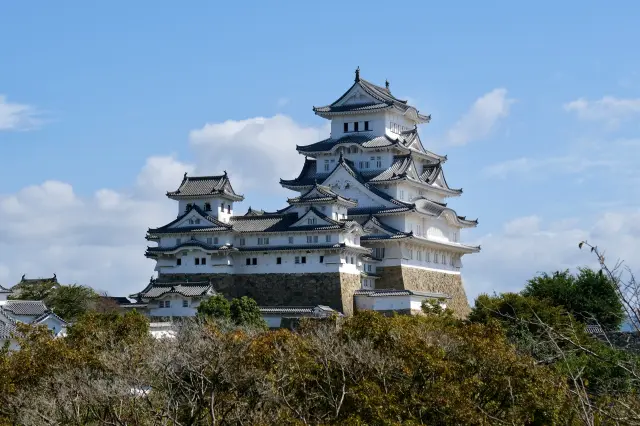
Himeji to Tottori Itinerary: Hidden Castle Towns, Hot Springs & Yokai Street
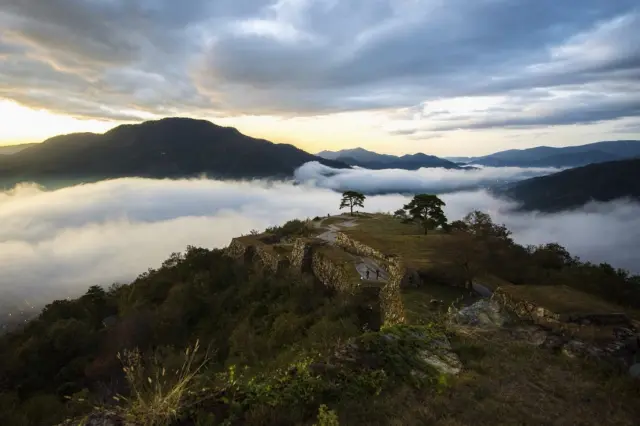
From Himeji to the Castle in the Sky: Exploring Kansai’s Hidden Castle Towns
4 Magnificent West Japan Views That Won a Photo Contest
3 Memorable Scenic Spots in Kansai for Enjoying the Waterfront
![Take a leisurely stroll in the retro and fashionable space [Kuroe, the town of Kishu lacquerware]](/kansaiguide/data/article/21000/20278/20250618_133123_770e1e88_w640.webp)
Take a leisurely stroll in the retro and fashionable space [Kuroe, the town of Kishu lacquerware]
Exploring the Roots of Festivals: A Journey of Understanding Local Bonds and the Preservation of Culture
A 3-Day Journey Along the Path of History and Culture: Outlining the Saigoku Kaidō from Osaka