
Wakasa / Awaji Island / Ise-Shima → Kyoto
A journey of intellect and gastronomy that transcends the boundaries of time
Since the Asuka and Nara Periods, some 1,400 years ago, the area has been offering foodstuffs rich in regional color to the Imperial Court (the Emperor) in Kyoto, and is called "Miketsukuni (lands of royal provisions).
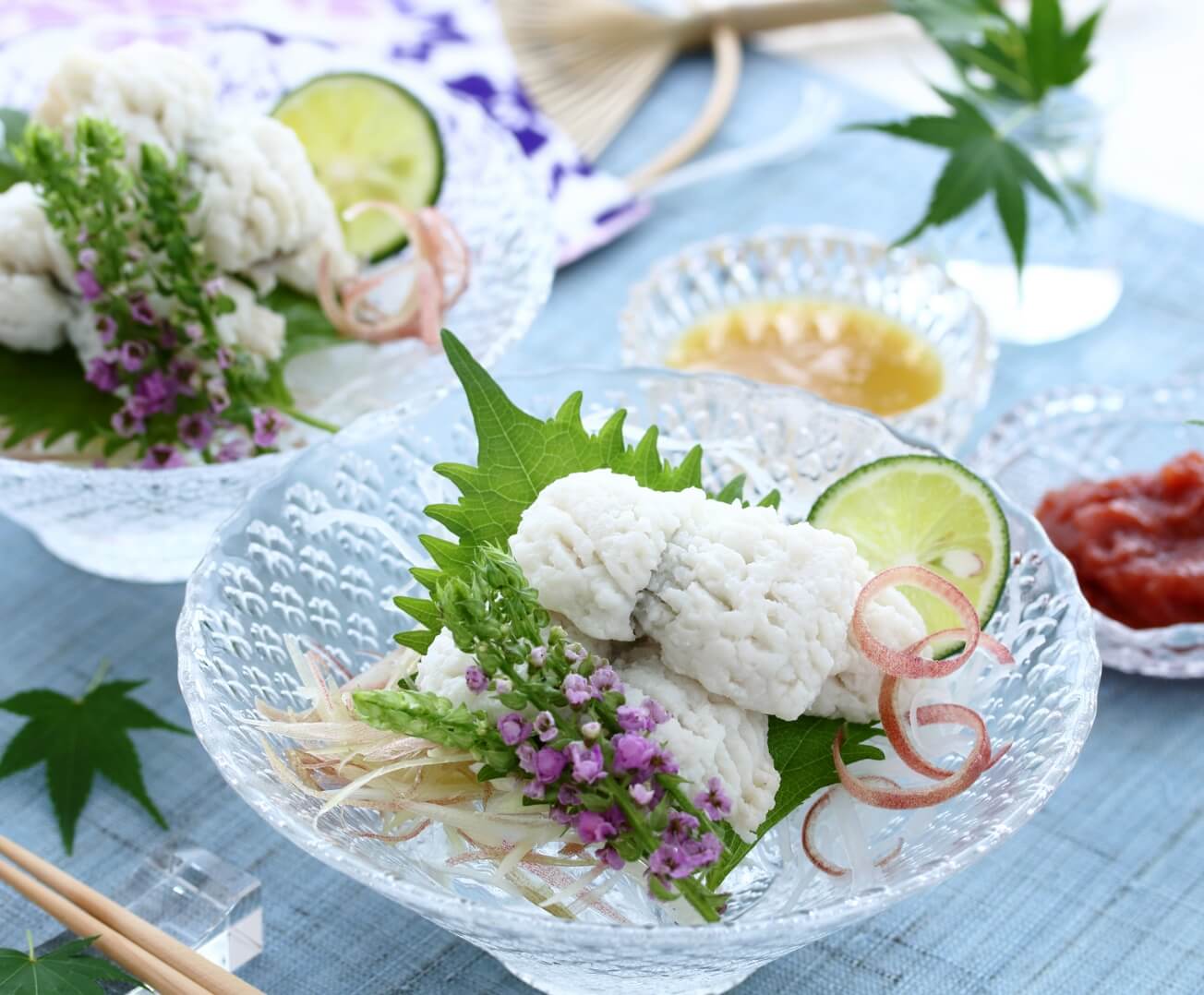
The trip began in Obama City in the Wakasa region of Fukui Prefecture, one of these "Miketsukuni", which provided Kyoto with a variety of marine products.
What is Miketsukuni?
“A proof of trust between the place where food is produced and the consumption area”
This is the general name for three regions (Awaji, Wakasa, and Shima) that presented foodstuffs to the imperial family and the Imperial Court during the Asuka and Nara periods. This region is still known today as a treasure trove of food ingredients and has a rich culinary culture. Ingredients brought to Kyoto, the former capital of Japan, were refined over a long history and contributed greatly to the development of Japanese food culture. Even today, the local community and the place of consumption are firmly tied by a bond of trust.
We introduce a model course that takes you on a culinary tour of various regions while learning about the ingredients, culinary culture, and history of the Miketsukuni region. We invite you to experience a new kind of culinary journey to discover the "true value" of each dish.
Wakasa - Kyoto
Wakasa
- Kyoto
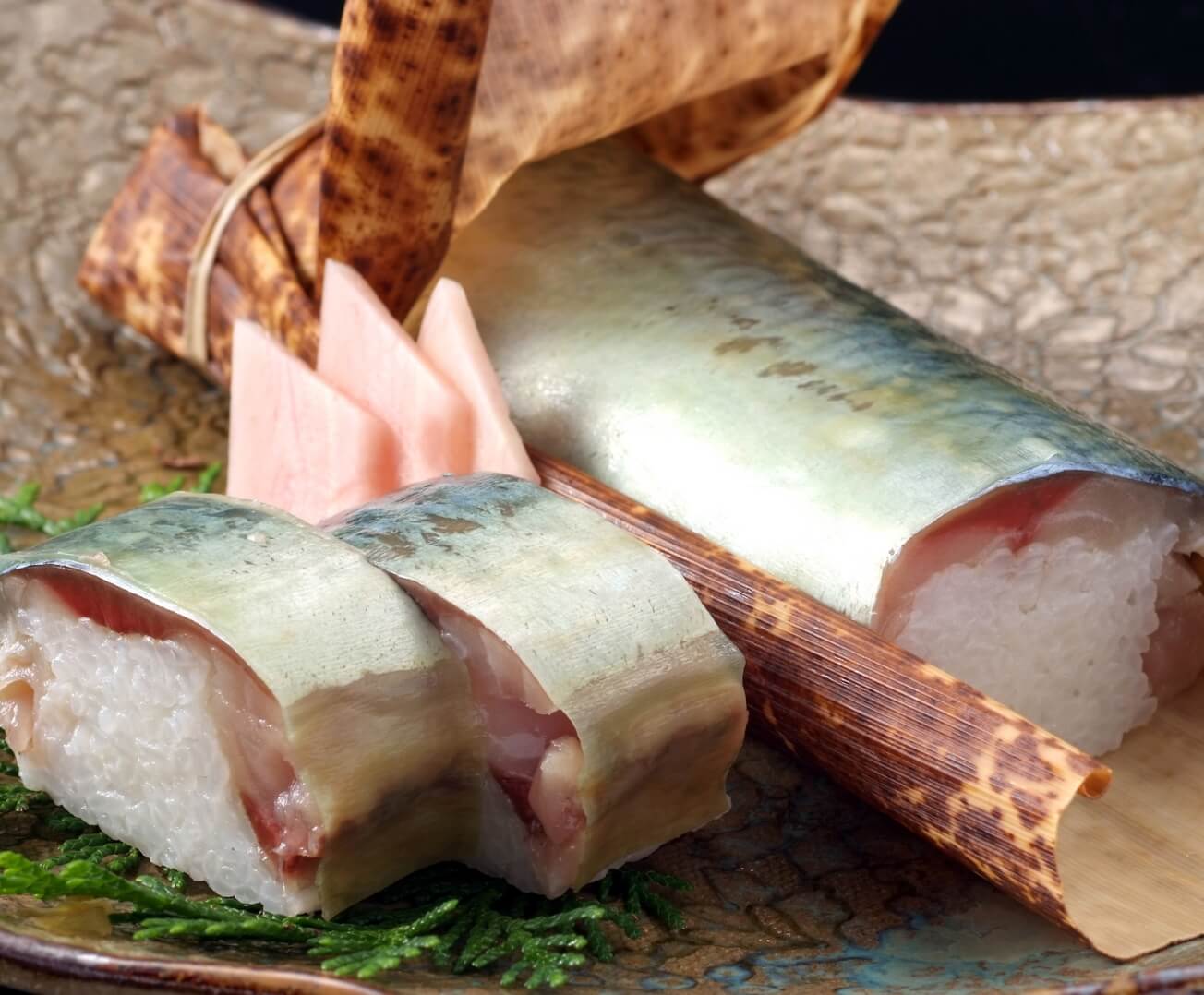
Trace the Saba Kaido (mackerel road) and learn about the culture of Wakasa
Wakasa Province
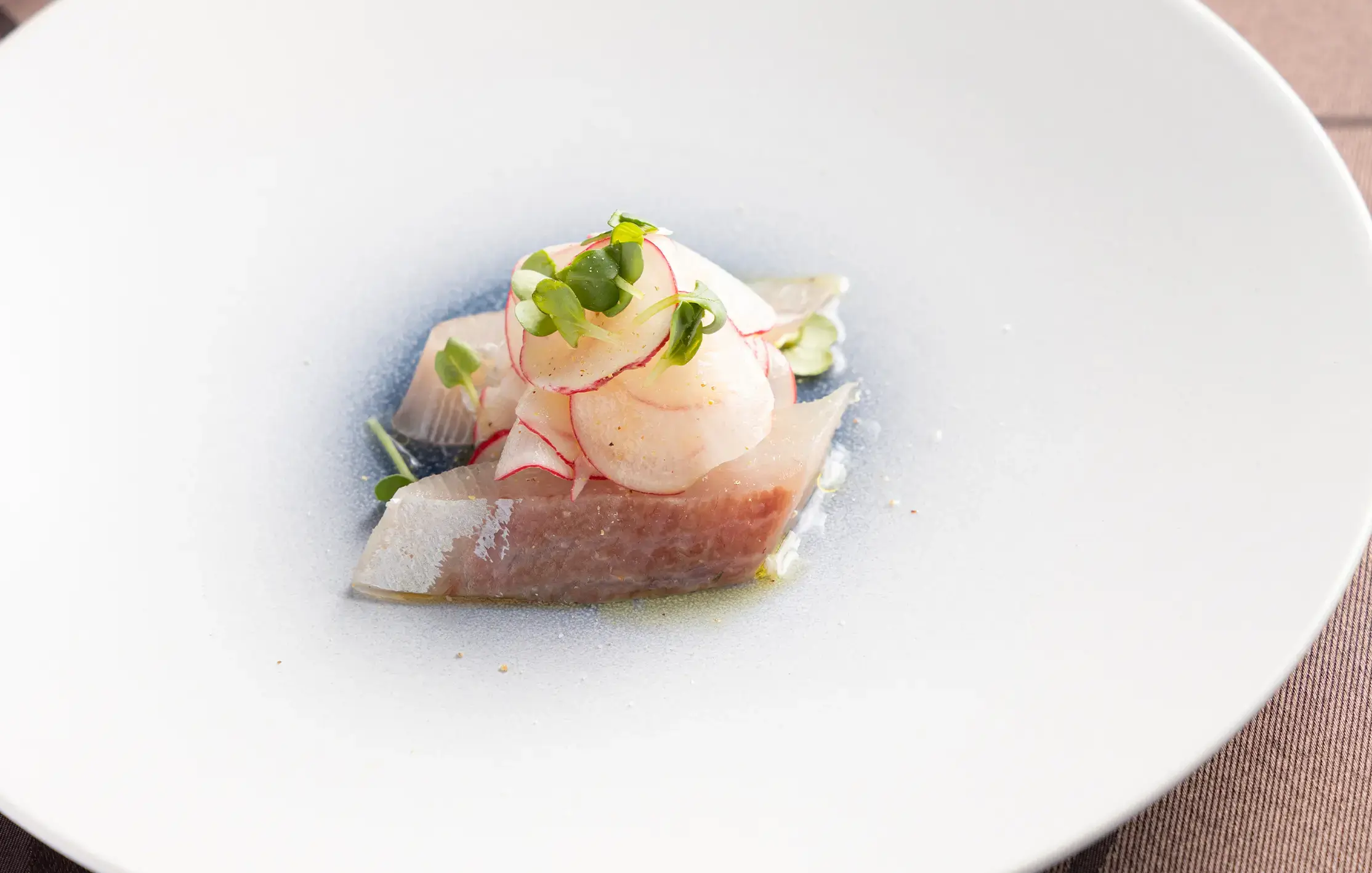
Saba Kaido is the general name for the roads connecting Wakasa and Kyoto, and food and culture, including mackerel, once passed through these roads.
Today, the area still retains many cultural heritage sites that connect the sea and the capital.
We'll taste the fresh seafood available in Wakasa, and then head over to enjoy a traditional Japanese-style restaurant in Kyoto.
Wakasa
- Kyoto
Fukui's Bounty and Kyoto Cuisine - A Journey Tracing the Flavors of the Wakasa Kaido -
Wakasa Province
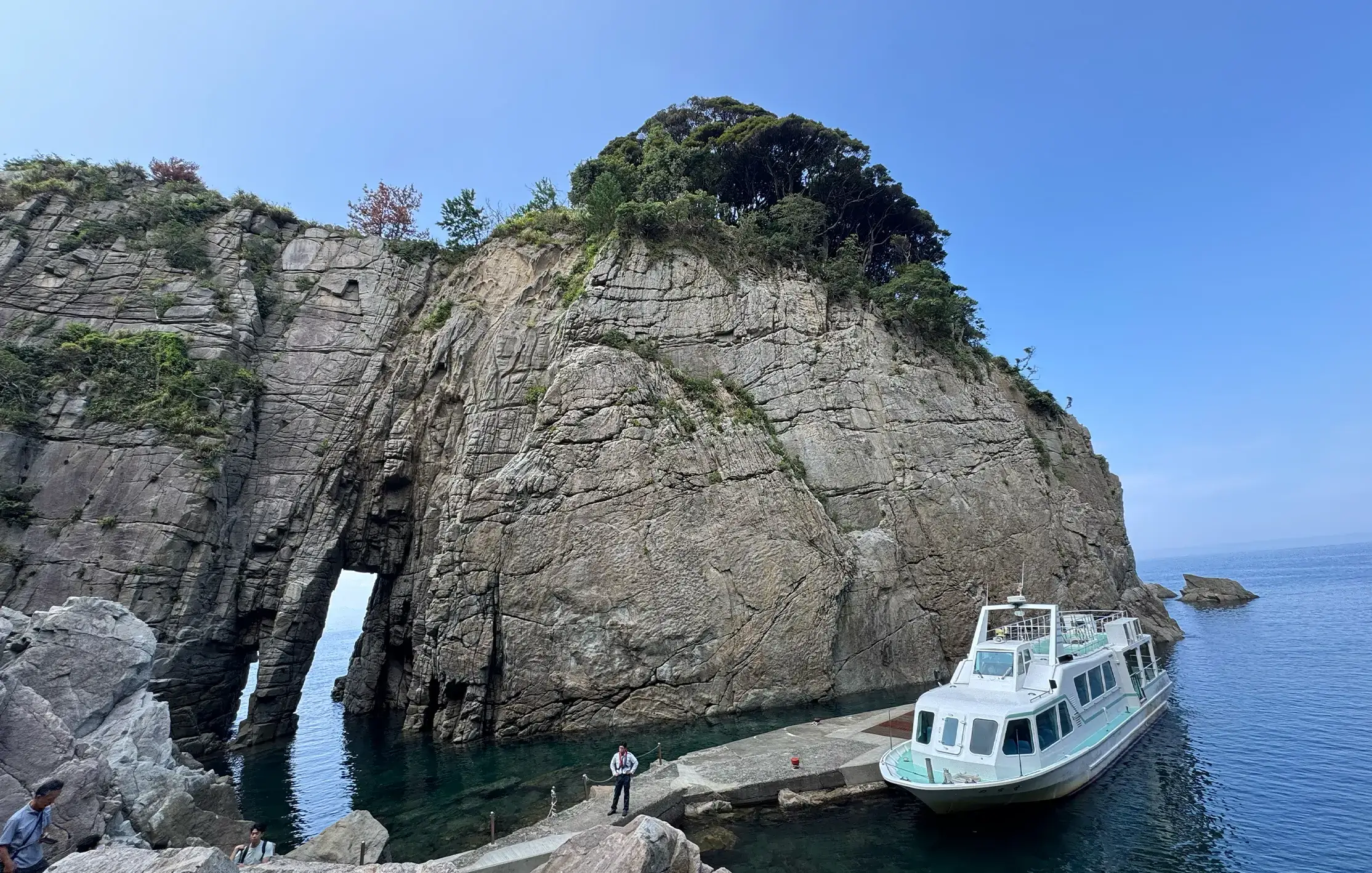
Wakasa, located on the Sea of Japan coast in western Fukui Prefecture, is an easy 1.5-2 hour journey from Kyoto. Since ancient times, the historic “Saba Kaido” (Mackerel road) connected Wakasa to the capital, delivering fresh seafood to the imperial court and contributed to shaping Kyoto’s culinary traditions, but the route today offers far more than coastal flavors. This journey invites guests to fully experience the cultural depth, natural beauty, and rich food heritage that link Wakasa and Kyoto. In the first half, discover the culinary history of Fukui Prefecture through a variety of unique local experiences in the Wakasa region.
Wakasa
- Kyoto
Fukui's Bounty and Kyoto Cuisine - A Journey Tracing the Flavors of the Wakasa Kaido -
Wakasa Province
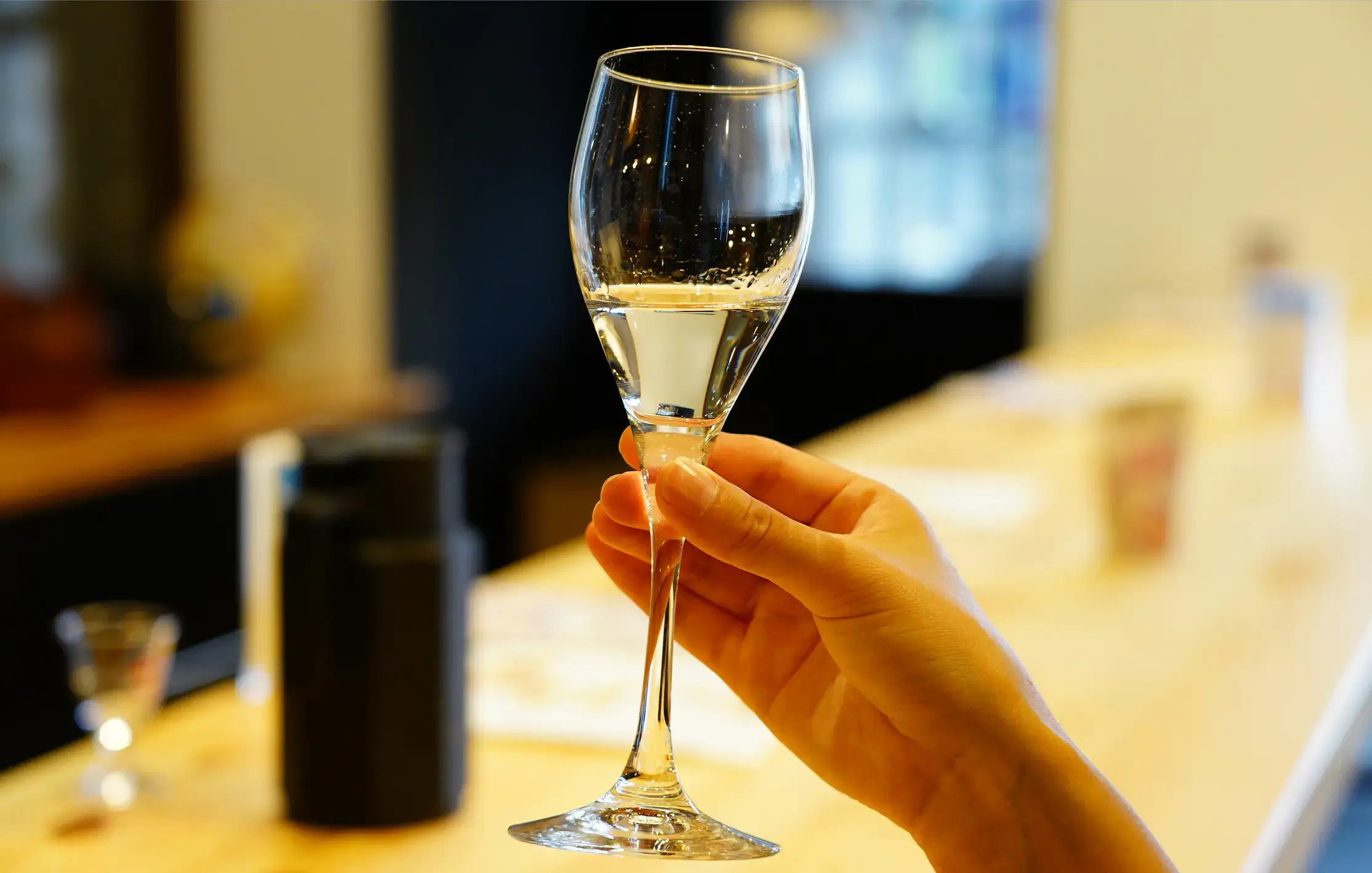
Wakasa, located on the Sea of Japan coast in western Fukui Prefecture, is an easy 1.5-2 hour journey from Kyoto. Since ancient times, the historic “Saba Kaido” (Mackerel road) connected Wakasa to the capital, delivering fresh seafood to the imperial court and contributed to shaping Kyoto’s culinary traditions, but the route today offers far more than coastal flavors. This journey invites guests to fully experience the cultural depth, natural beauty, and rich food heritage that link Wakasa and Kyoto. The latter half of the journey shifts to Kyoto, offering a trip to experience the elegant beauty of its landscapes and its distinctive cuisine.
Awaji - Kyoto
Awaji
- Kyoto
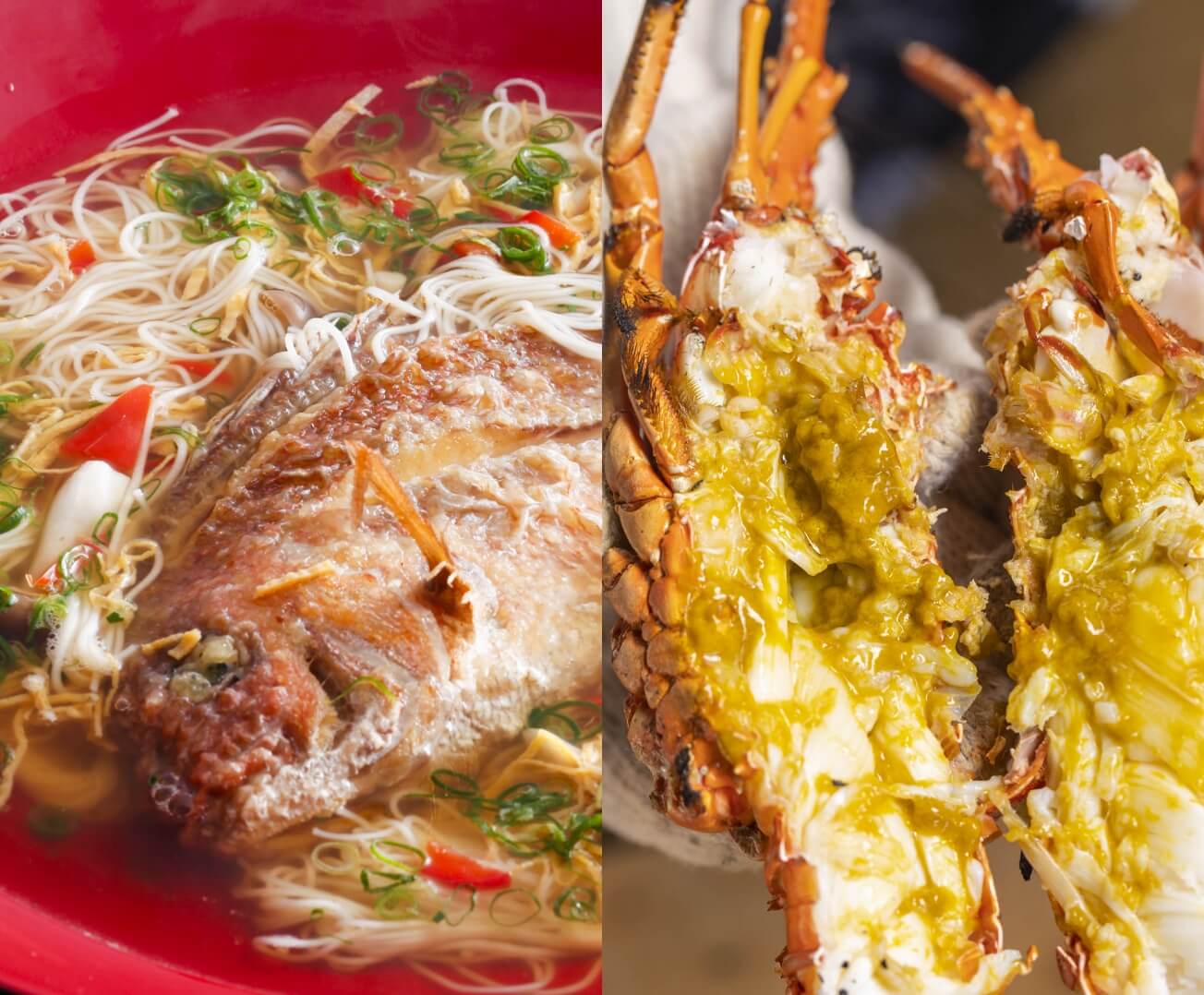
Taste the "sea bream," a fish for special days, and the food of Awaji
Awaji island
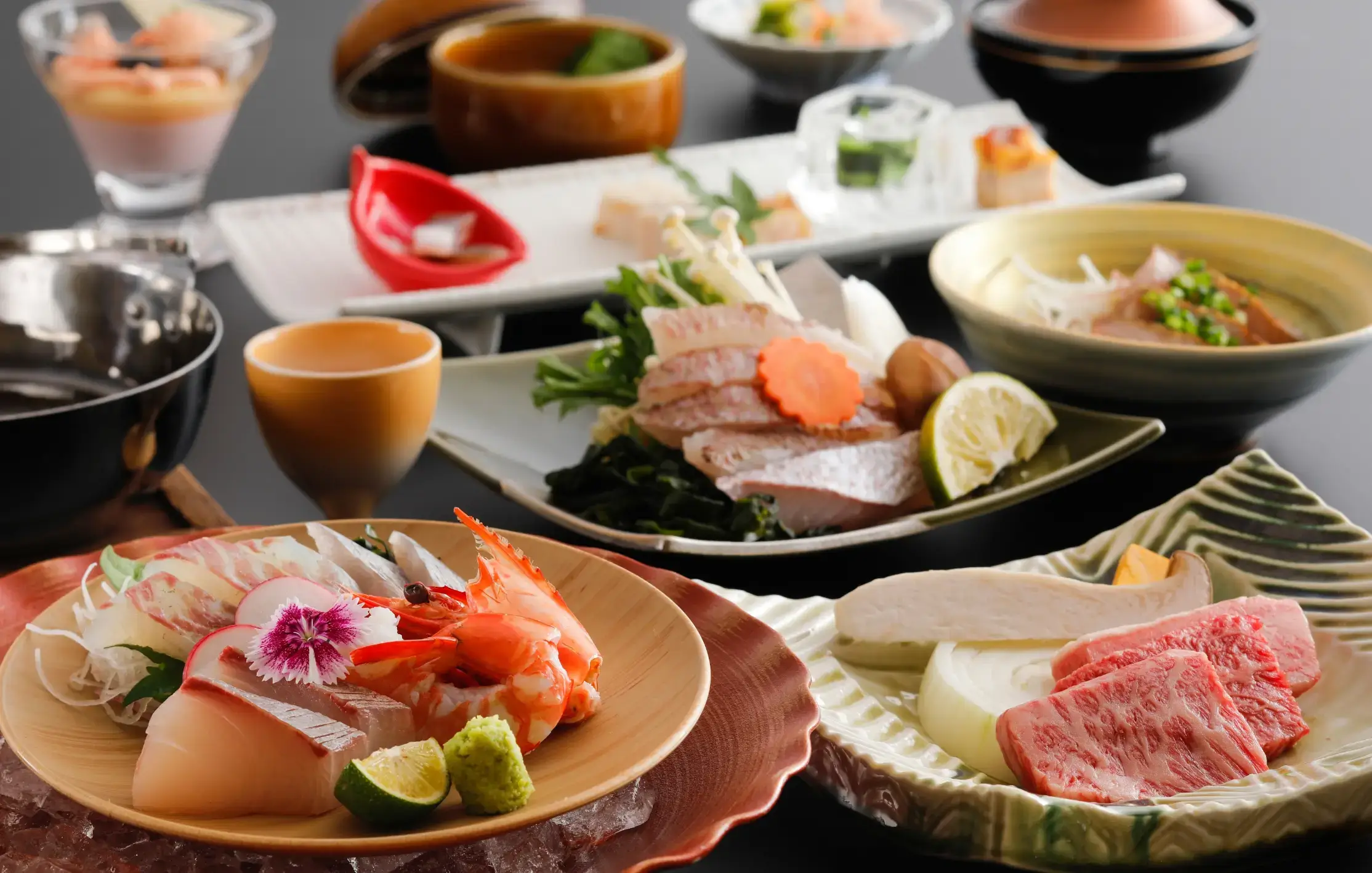
Awaji Island is blessed with a wealth of seafood from the sea and mountains.
Natural sea bream nurtured by the fast currents of the fishing grounds is a representative food of Miketsukuni.
From an area where you will encounter dishes made with high-quality ingredients such as Awaji onions and Awaji beef, the tour will take you to Kyoto at the end of the journey to learn the intricacies of Kyoto's traditional Japanese cuisine that uses various ingredients from Miketsukuni area.
Awaji
- Kyoto
Kyoto to Awaji Island – A Journey Connecting the Island of Myth and Cuisine with Kyoto
Awaji island
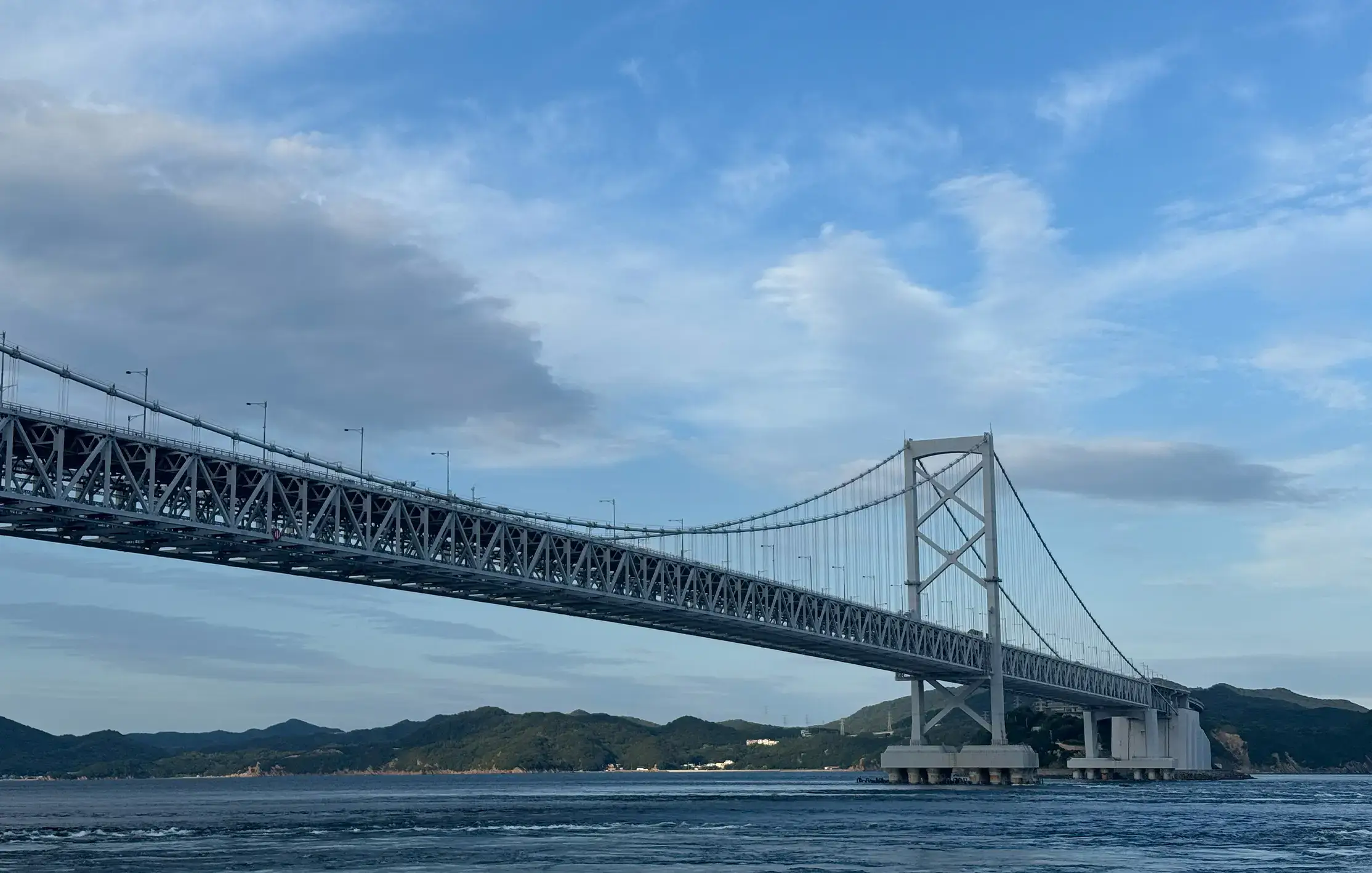
Awaji Island is blessed with rich natural beauty composed by both mountains and the sea.
This area is known as one of Japan’s prime fishing grounds. The surrounding waters yield exceptional seafood—especially sea bream—while local specialties such as Awaji onions and Awaji beef create a truly memorable culinary experience. The island also offers engaging cultural activities, including fish auctions, indigo dyeing, and other hands-on encounters that highlight its heritage. This journey invites travelers to enjoy Awaji’s flavors and traditions before continuing on to Kyoto, where the region’s natural abundance and cultural depth come together seamlessly. The first half proposes a wide variety of ways to enjoy Awaji Island, nurtured by its rich natural environment.
Awaji
- Kyoto
Kyoto to Awaji Island – A Journey Connecting the Island of Myth and Cuisine with Kyoto
Awaji island
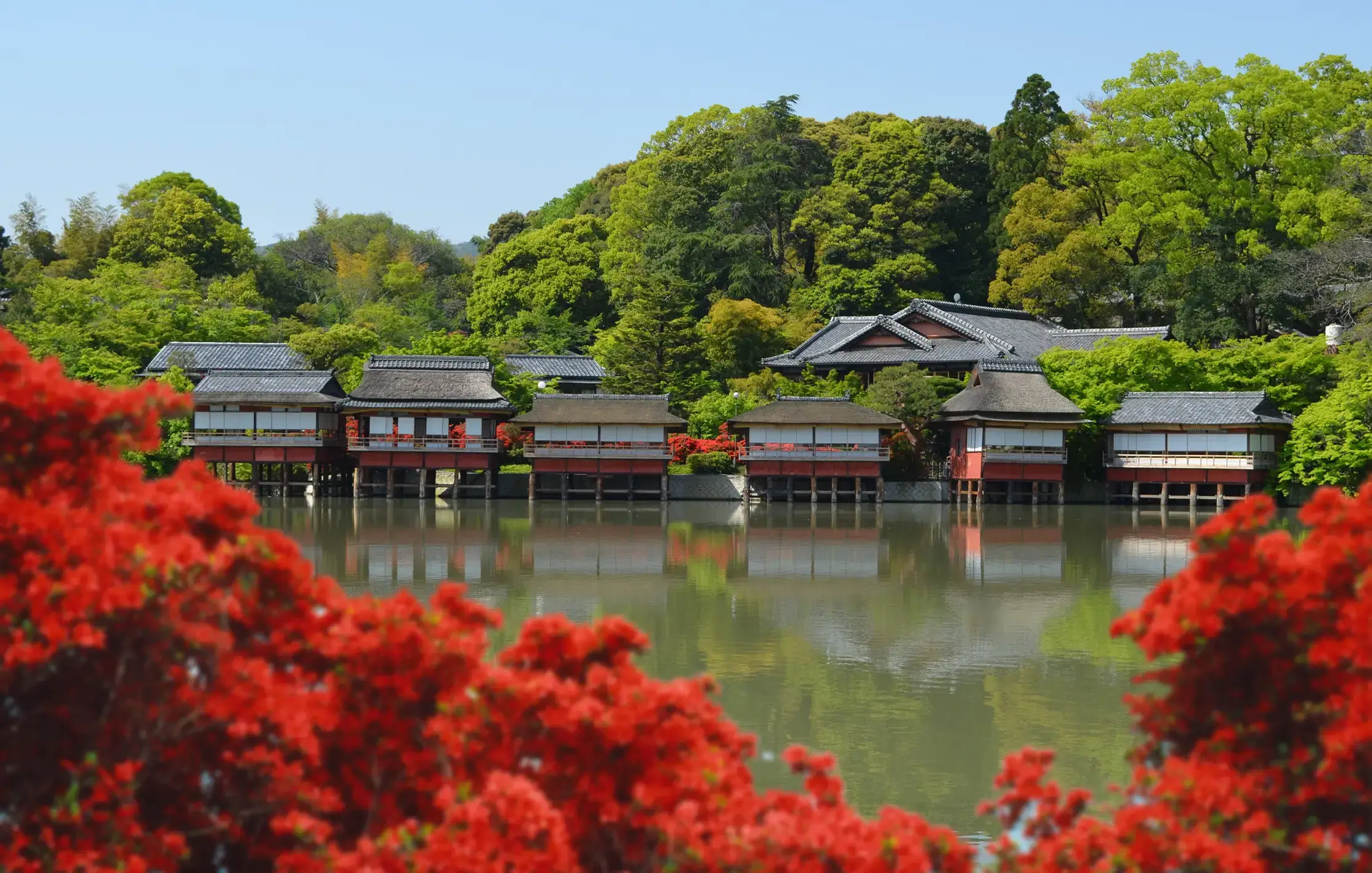
Awaji Island is blessed with rich natural beauty composed by both mountains and the sea.
This area is known as one of Japan’s prime fishing grounds. The surrounding waters yield exceptional seafood—especially sea bream—while local specialties such as Awaji onions and Awaji beef create a truly memorable culinary experience. The island also offers engaging cultural activities, including fish auctions, indigo dyeing, and other hands-on encounters that highlight its heritage. This journey invites travelers to enjoy Awaji’s flavors and traditions before continuing on to Kyoto, where the region’s natural abundance and cultural depth come together seamlessly. In the latter half, we introduce several experiences to savor Kyoto's scenic beauty and authentic culture.
Shima - Kyoto
Shima
- Kyoto
Feel the nature of Shima and enjoy seafood and mountain delicacies
Shima region
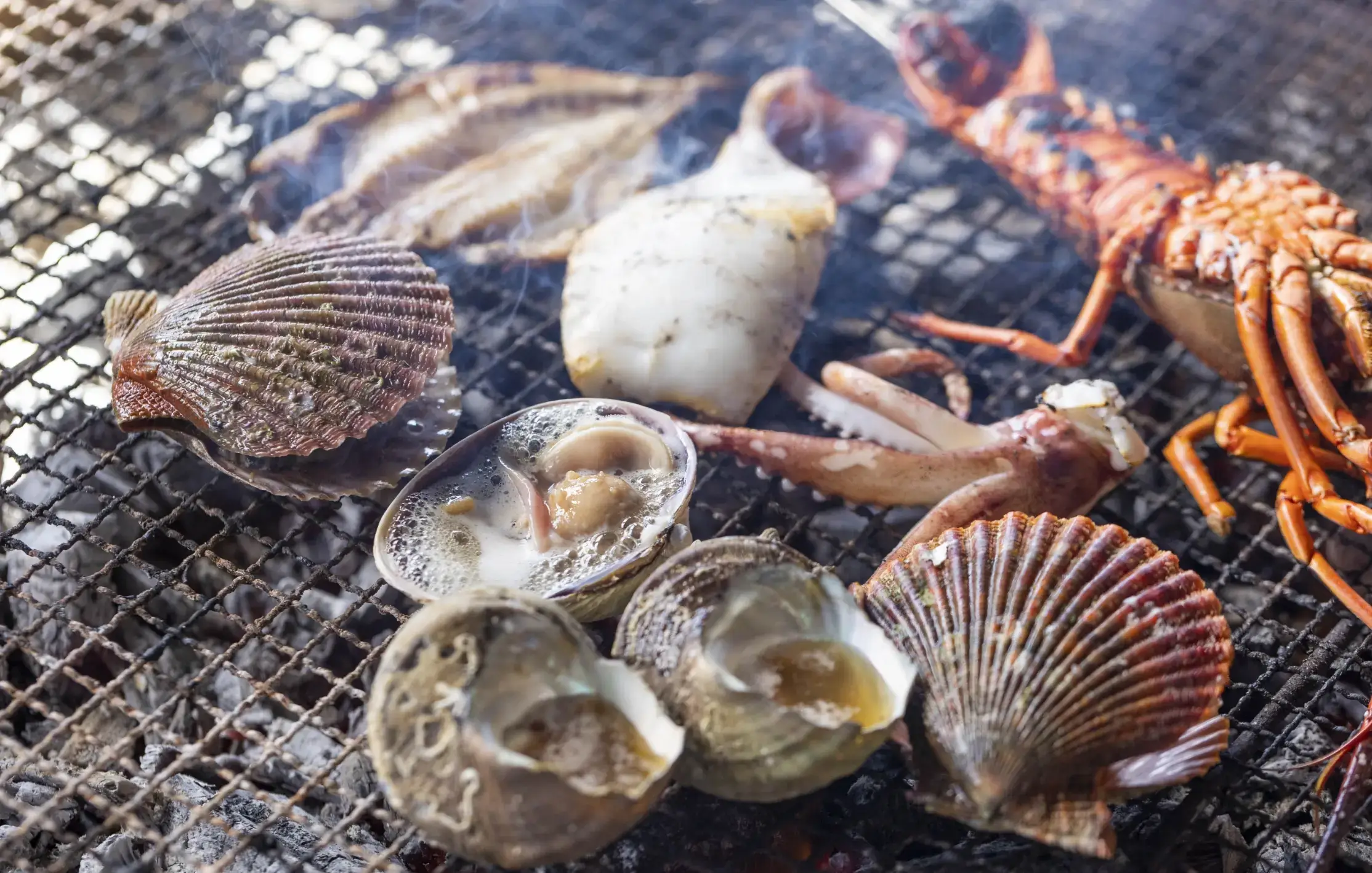
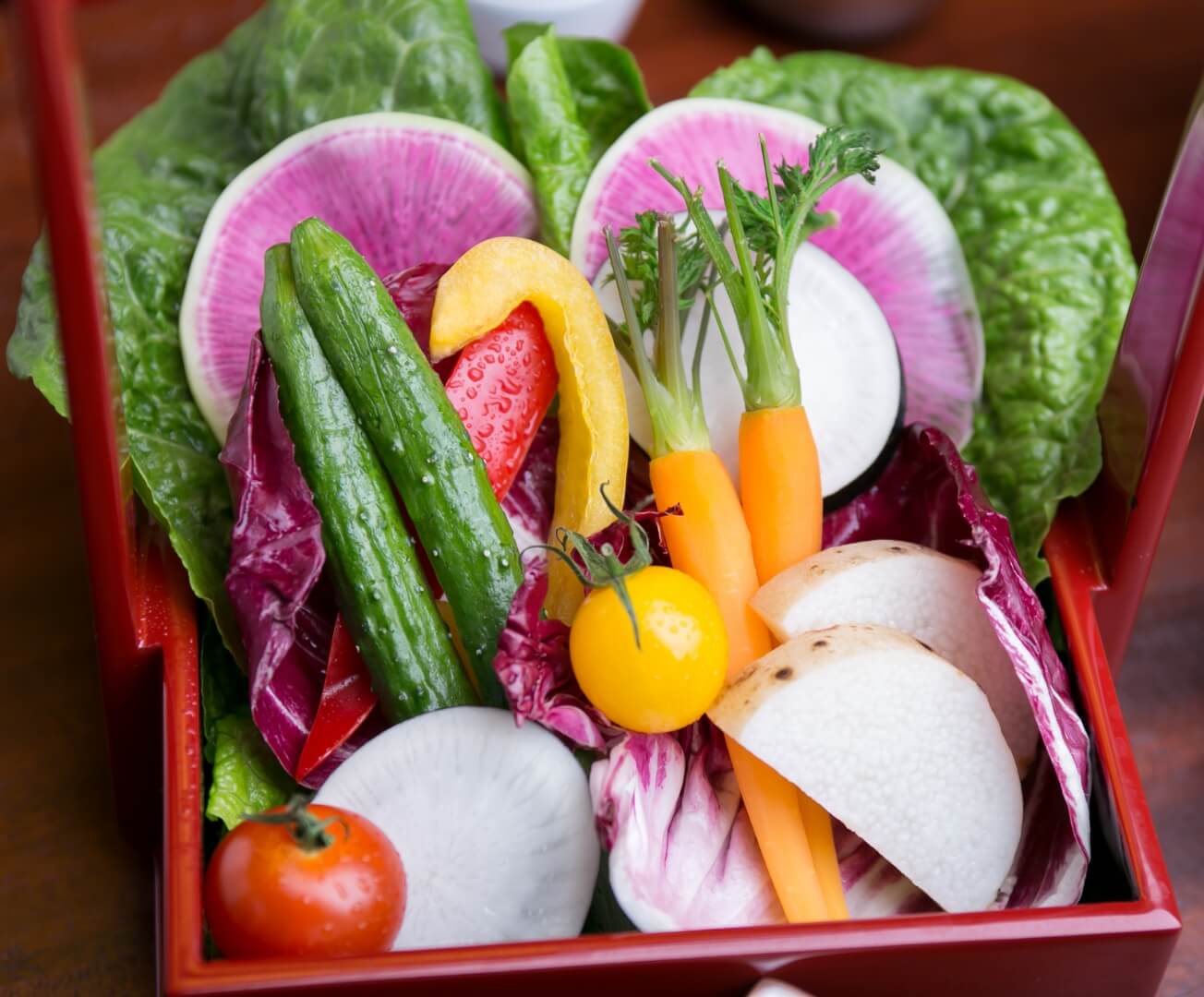
Shima used to supply processed salt, abalone, seaweed, and other marine products to the Imperial Court, and even today there are spots where you can enjoy fresh marine products, such as ama (woman divers) huts where ama divers entertain you. Afterward, we'll head to Kyoto and stay at an inn serving a traditional Japanese multi-course kaiseki dinner that combines carefully selected ingredients from the Miketsukuni area, which includes Shima.
Shima
- Kyoto
From the Bountiful Seas of Mie to the Elegance of Kyoto
Shima region
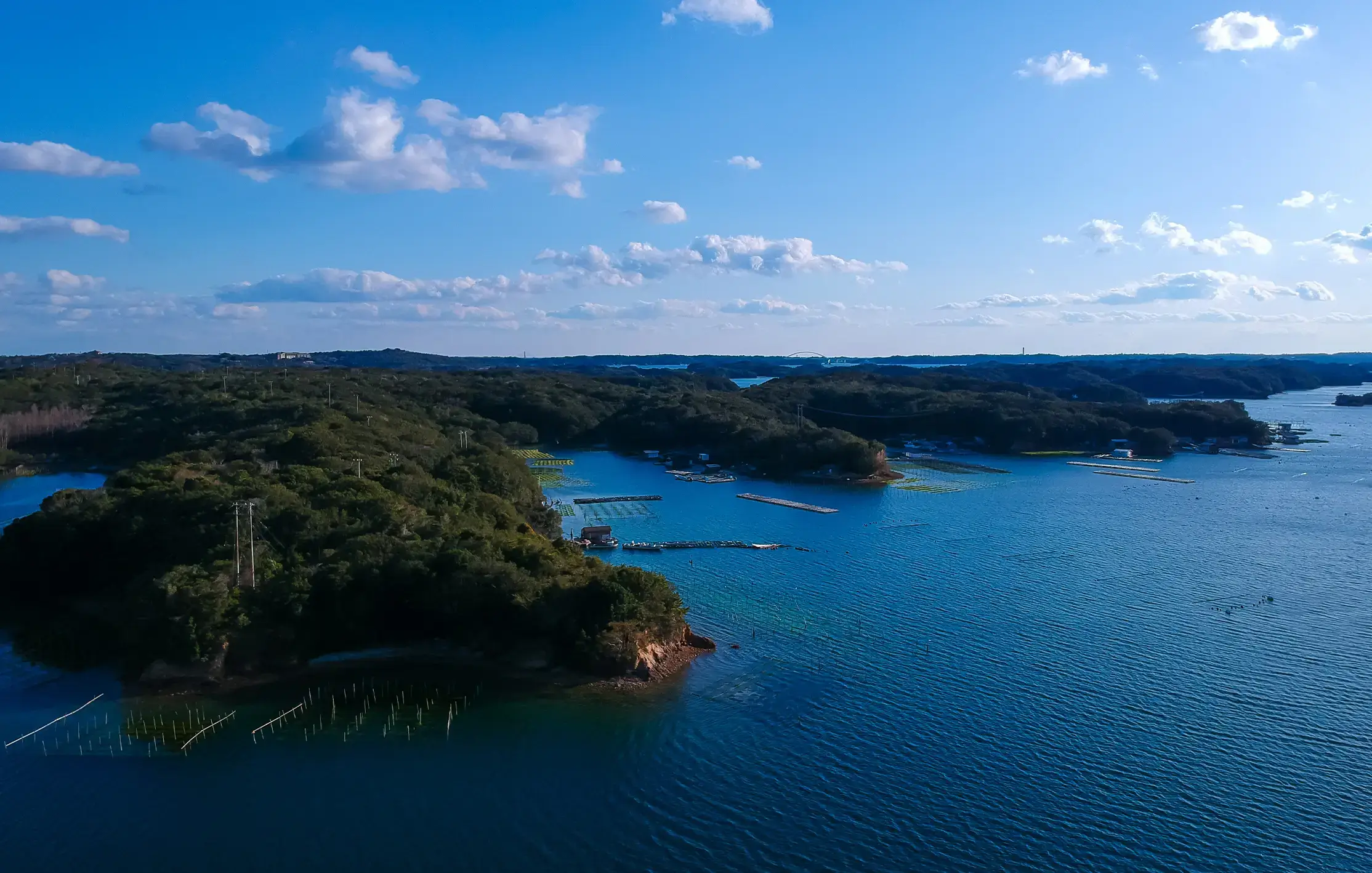
Ise-Shima, located on the Pacific coast of southern Mie Prefecture, has long been shaped by a way of life deeply connected to the sea. Here, the tradition of Ama, female divers who harvest abalone, seaweed, and other seafood without modern equipment, remains one of the most vibrant in Japan. These marine products, along with local salt and other specialties, was once offered to the imperial household, reflecting the area’s rich maritime heritage.
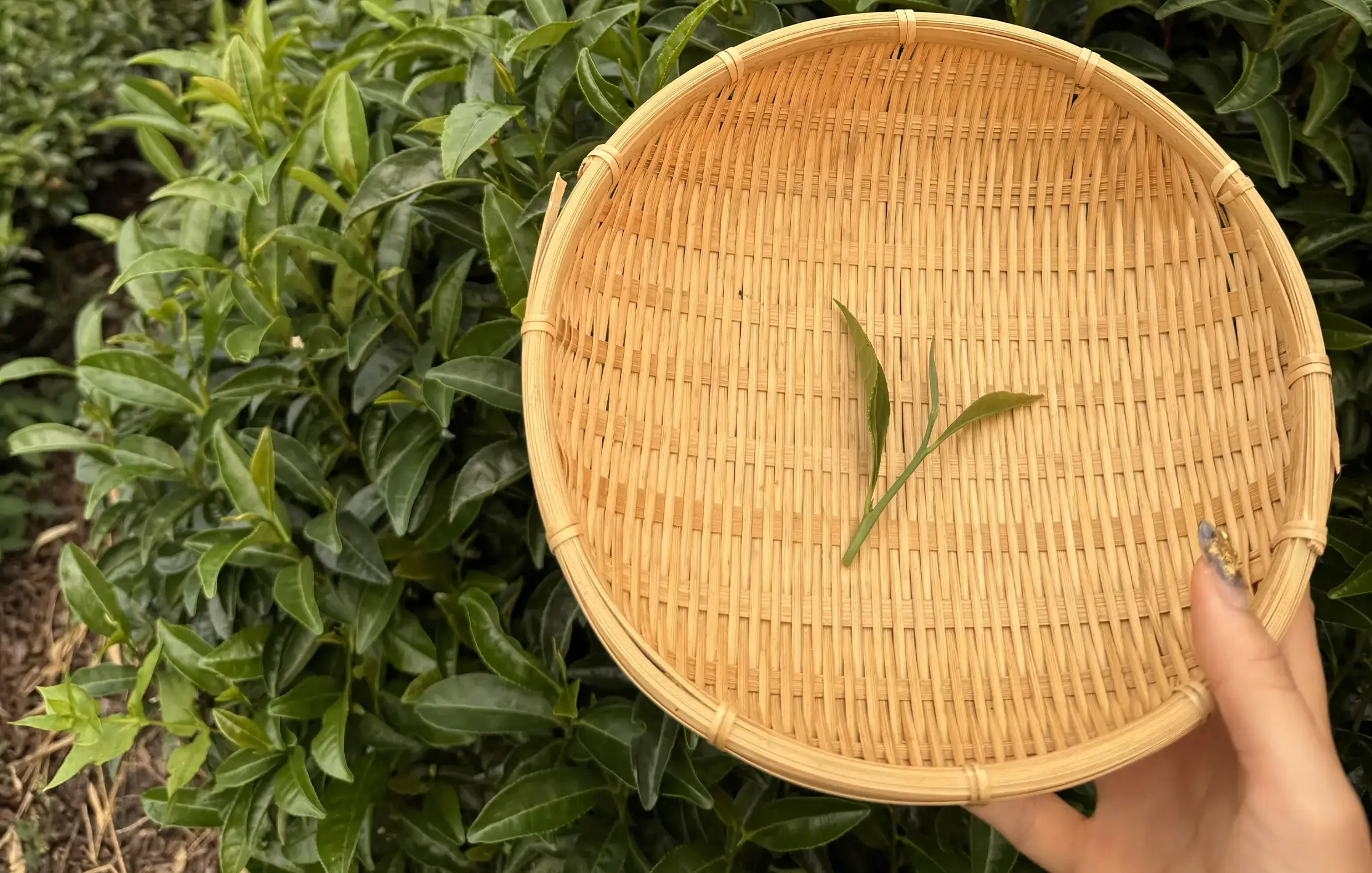
Travelers can enjoy exceptionally fresh seafood and take part in marine activities surrounded by beautiful coastal scenery. On the journey from Mie toward Kyoto, the route includes a stop in Iga-Ueno, known for its ninja history and premium local wagyu, and Wazuka, a lush tea-growing region where visitors can immerse themselves in Japan’s seasonal tea culture. The first half offers a deep dive into the food culture heritage and traditions of the Ise-Shima coast, allowing you to savor the region's refined cuisine.
Shima
- Kyoto
From the Bountiful Seas of Mie to the Elegance of Kyoto
Shima region
Ise-Shima, located on the Pacific coast of southern Mie Prefecture, has long been shaped by a way of life deeply connected to the sea. Here, the tradition of Ama, female divers who harvest abalone, seaweed, and other seafood without modern equipment, remains one of the most vibrant in Japan. These marine products, along with local salt and other specialties, was once offered to the imperial household, reflecting the area’s rich maritime heritage.
Travelers can enjoy exceptionally fresh seafood and take part in marine activities surrounded by beautiful coastal scenery. On the journey from Mie toward Kyoto, the route includes a stop in Iga-Ueno, known for its ninja history and premium local wagyu, and Wazuka, a lush tea-growing region where visitors can immerse themselves in Japan’s seasonal tea culture. In the latter half, we propose a plan for a high-quality stay, immersing yourself in Kyoto's tea and sake culture.
Festivals&Traditional Arts of KANSAI, Japan
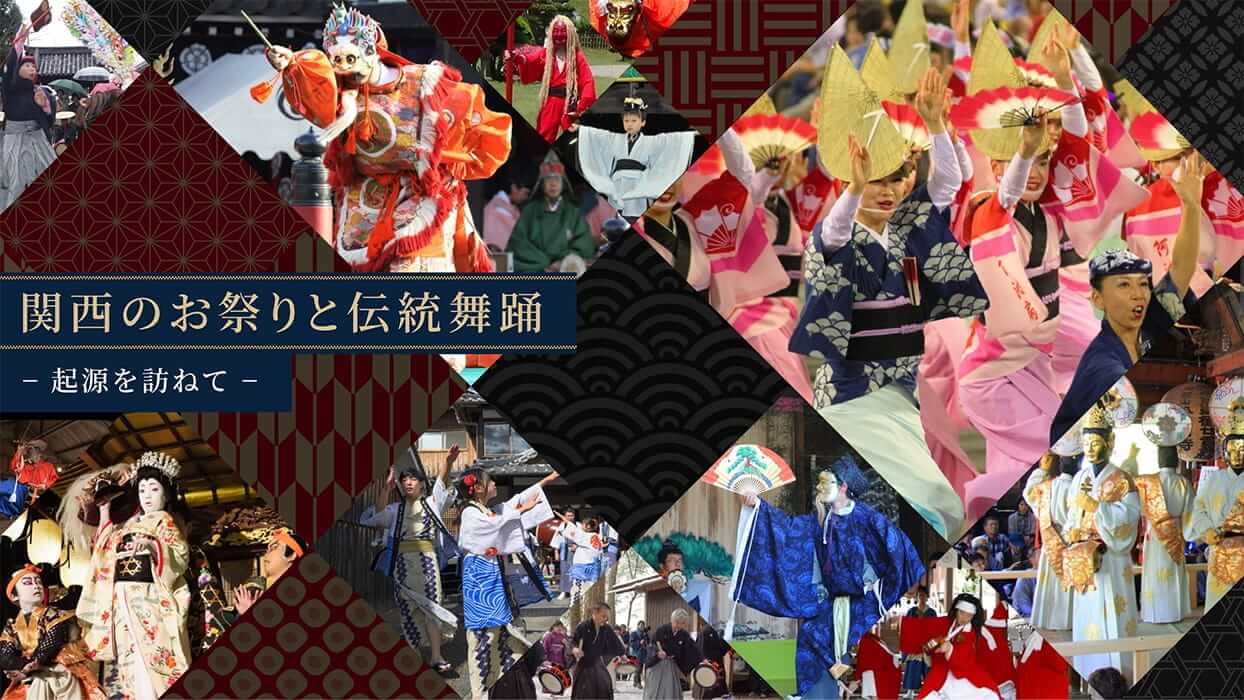
Kansai, the region that has been weaving the threads of its history since ancient times.In the Kansai region, where various cultures have bloomed, there are festivals and dances that have been passed down for a long time.
Let’s begin a new journey to discover the origins of festivals and dances in Kansai.
Exclusive Expeditions

The cultural roots of Japanese food, tea ceremony, traditional arts, crafts, zen and other countless sensibilities can be traced to the Kansai region and the remarkable people who still uphold its customs. These Exclusive Expeditions will take you into the heart of Kansai to meet with Japan’s living treasures.